Affordable Student Housing in Vilnius: 2026/2027 Guide

Eglė Garnienė
Group General Manager
September 3, 2026
Key Takeaways
Affordable student housing in Vilnius is not always the option with the lowest advertised rent. University dormitories usually provide the cheapest eligible bed, shared flats can lower the per-person cost, and Shed Vilnius offers a more complete furnished package in which utilities, Wi-Fi, private facilities, reception and shared amenities are already included.
The housing formats at a glance
| Housing format | Typical price position | What may be included | Main budget risk |
|---|---|---|---|
| University dormitory | Usually lowest | Furniture; services vary | Limited places and shared facilities |
| Shared flat | Low to mid-range | Furniture varies | Utilities, deposits and flatmate changes |
| Private apartment | Usually highest | Depends on listing | Heating, furniture and first payment |
| Shed Vilnius | Mid to premium | Furniture, core bills, Wi-Fi and facilities | Paying for features the resident will not use |
What affordable really means in Vilnius
Housing is affordable when the complete cost fits the student’s budget without creating an unrealistic journey, unsuitable room or financial shock at move-in. The calculation should include recurring bills, transport and the one-off amount needed before receiving the keys. Comparing rent alone makes furnished and unfurnished housing look more similar than they are.
A student should also price the time covered by the contract. A room that is inexpensive each month can become costly if the agreement continues after the semester, cannot be cancelled after a visa problem or requires the resident to replace a departing flatmate. Affordability belongs to the entire stay, not a single month.
University dormitories: the lowest-price route for eligible students
University accommodation is usually the first place to look when the lowest possible housing cost is the priority. Rooms may be shared and bathrooms or kitchens can be communal, but the price can remain well below a private studio. Eligibility, allocation timing and limited capacity are the main constraints.
Apply through the relevant institution and compare only a confirmed offer. Vilnius University states that demand exceeds available places, while MRU and VILNIUS TECH publish separate room and application information. An indicative university price is not a usable budget until the student knows the actual building, occupancy, deposit and services.
Why Shed Vilnius can provide better value than rent alone suggests
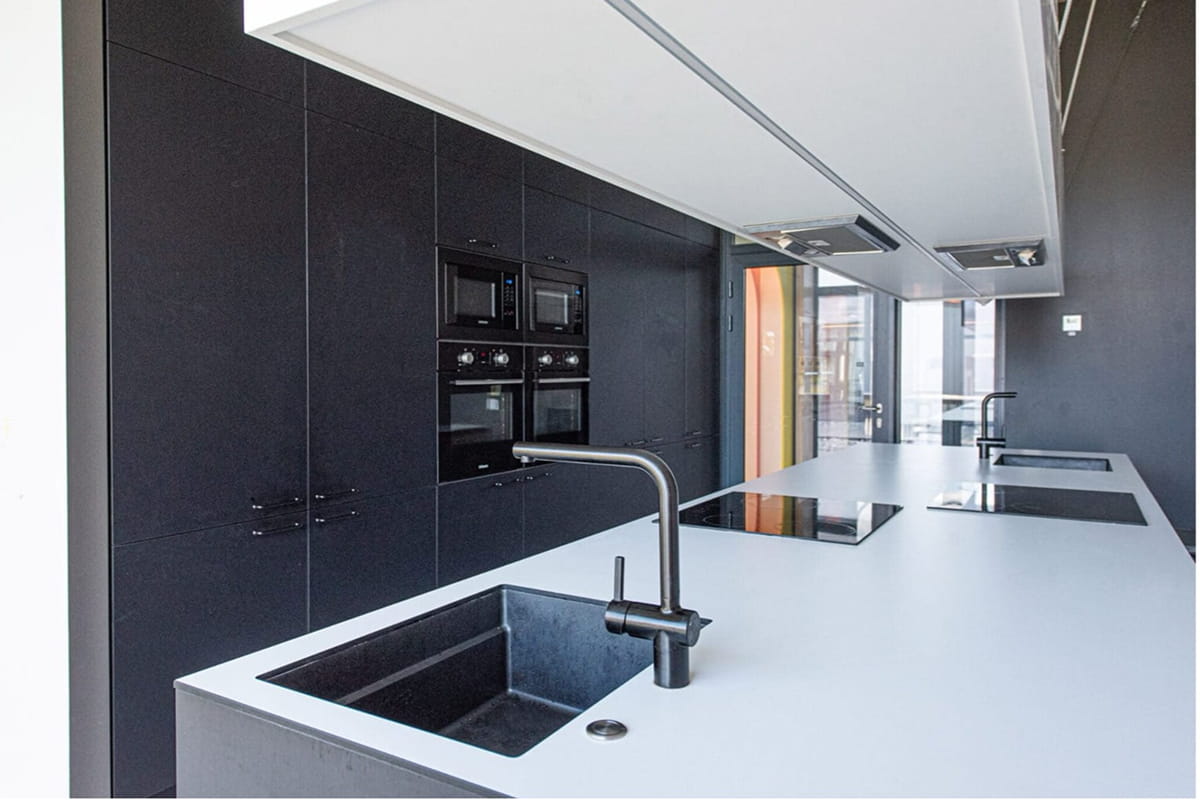
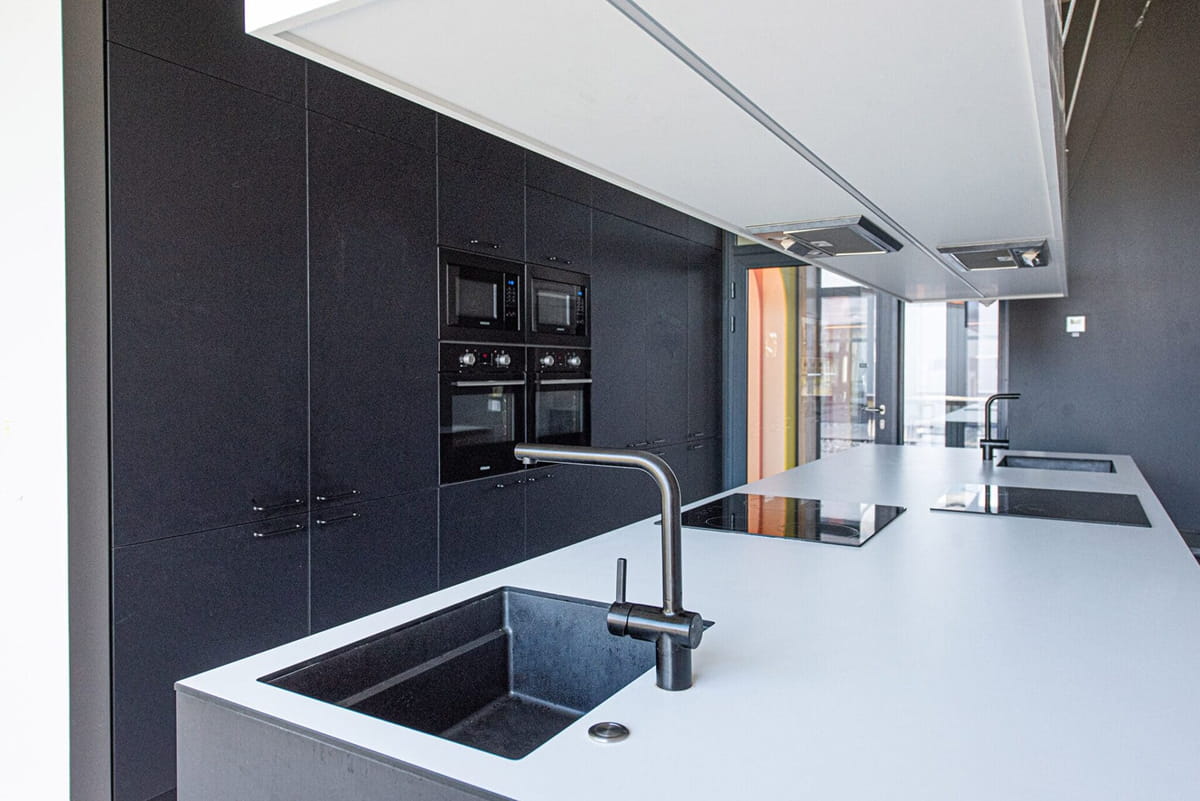
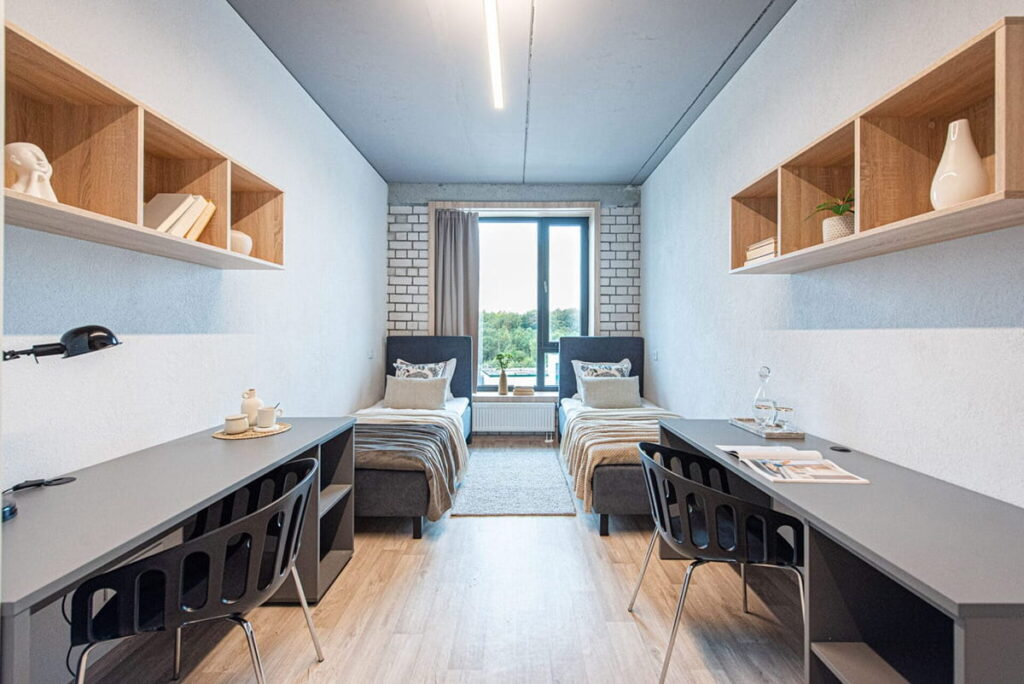
Shed Vilnius sits above most dormitory prices, but the monthly payment covers a substantially broader living arrangement. Rooms are furnished and have private bathroom and kitchenette facilities. Water, heating, electricity, waste disposal and Wi-Fi are included, so the resident does not need to estimate seasonal utility bills or open separate household accounts.
The shared facilities can replace expenses that would otherwise sit elsewhere in the budget. Residents have access to study and co-working areas, a gym, a common kitchen, gaming spaces, a rooftop terrace and a backyard. Reception and handyman support also reduce the time and uncertainty involved in resolving practical building issues.
For students who will use these facilities, the value can be stronger than a cheaper room followed by separate spending on internet, exercise, study venues and transport to them. The private kitchenette allows ordinary meals to be prepared in the room, while the common kitchen provides more space when residents want to cook together.
Shed is also easier to budget before arrival. The official room page explains what is included and separates optional paid services. Students should request the exact price for their room and dates, but the main recurring housing costs are less exposed to winter variation than they would be in a rent-only private apartment.
Shared flats: potentially affordable, but less predictable
A room in a shared flat can be a good-value option when the landlord is reliable and the household agrees on bills, cleaning and replacement tenants. The largest room may pay more, or every tenant may contribute equally; neither arrangement should be assumed. Ask to see recent utility costs, particularly for the heating season.
Deposits and furniture also matter. A lower rent loses some of its advantage if the student needs a desk, mattress, kitchen equipment or a new internet agreement. If one flatmate leaves, the remaining residents need to know whether their own rent changes and who finds the replacement.
Private apartments: independence at a higher total cost
A private apartment gives the resident control over guests, noise and household routines, but it is normally the most expensive format for one person. The first payment may include a deposit of one or two months in addition to rent, according to Go Vilnius housing guidance. Agency fees and furniture can add further costs.
Utilities should be examined seasonally. Ask for examples of winter heating and summer bills, then confirm which services are transferred into the tenant’s name. A modern studio with efficient heating can be easier to budget than an older, larger flat, even when their advertised rents are similar.

Build a realistic monthly student budget
Start with housing, then add food, public transport, mobile service, study materials, health costs and a modest social budget. Keep the deposit and first-month expenses outside the recurring monthly figure. This prevents the arrival budget from disappearing before the student has bought basic household items or received the first scholarship payment.
Transport does not need to dominate the budget. JUDU explains that eligible full-time students can receive discounted tickets, while international students studying in Europe need the appropriate ISIC documentation. The relevant housing comparison is therefore the real route and travel time, not an assumption that every non-central address is expensive to reach.
Account for the academic calendar and irregular income
Student income rarely arrives in equal monthly amounts. Scholarships, family support and part-time earnings can begin after the first housing payment, while deposits, travel and household purchases arrive before classes. Build a separate arrival fund rather than expecting an ordinary monthly budget to absorb the first month.
Contract dates can also create hidden cost. A twelve-month rental may have a lower monthly price than a semester agreement but still cost more overall if the student leaves in June. Compare the total payable amount across the period actually needed, including any summer months, notice requirement or early-termination charge.
Reduce costs without choosing unsuitable housing
Sharing can reduce the price, but confirm what is shared. A twin room lowers the per-person cost differently from a private bedroom in a shared apartment: the first shares the sleeping space, while the second shares the wider home. Students who cannot study or sleep well in the cheaper arrangement may spend more time and money working elsewhere.
Use facilities only as part of the value calculation when they replace a real expense. A gym in the building matters to someone who exercises regularly; a study room matters when the bedroom is shared or compact. Shed offers both, together with social and cooking spaces, but the package is most affordable for residents who genuinely use those features rather than choosing it for the longest amenity list.
Avoid paying a premium for an address without testing the weekly routine. Groceries, classes, work and social plans may pull in different directions, and public transport discounts can make a less central home economical. A short, reliable journey can be better value than a higher rent chosen only because the listing uses the word central.
Finally, keep a small housing reserve for costs that cannot be predicted precisely. Even when utilities are included, a student may need replacement household items, temporary transport or an additional service. A budget with no margin is fragile; a slightly higher but predictable housing payment can be easier to manage than a cheaper arrangement that changes sharply from month to month.
How to choose the most affordable option for your situation
Choose a dormitory when a place is confirmed, the shared arrangement is acceptable and the lowest housing payment matters most. Choose a shared flat when the contract and flatmates are reliable and the household can manage changing bills. Choose a private apartment when independence is worth the additional cost and administration.
Choose Shed Vilnius when the budget can support a more complete package and the included elements will be used. Its value is strongest for students who want private facilities, a furnished room, predictable core bills, on-site support, study and fitness space and a community they can join without sacrificing privacy.