Where Do Students Live in Vilnius? 2026/2027 Housing Guide

Eglė Garnienė
Group General Manager
April 13, 2026
Key Takeaways
Students in Vilnius usually live in university dormitories, shared flats, private apartments or managed co-living residences. Shed Vilnius is becoming a popular choice for students who want a furnished private space, included bills, reception and shared study and social facilities without arranging each part of the move separately. Dormitories remain the lowest-cost route for many eligible students, while flats and apartments offer different balances of privacy, responsibility and flexibility.
Where students live in Vilnius: the main options
| Housing format | Privacy | Cost pattern | Best fit and support |
|---|---|---|---|
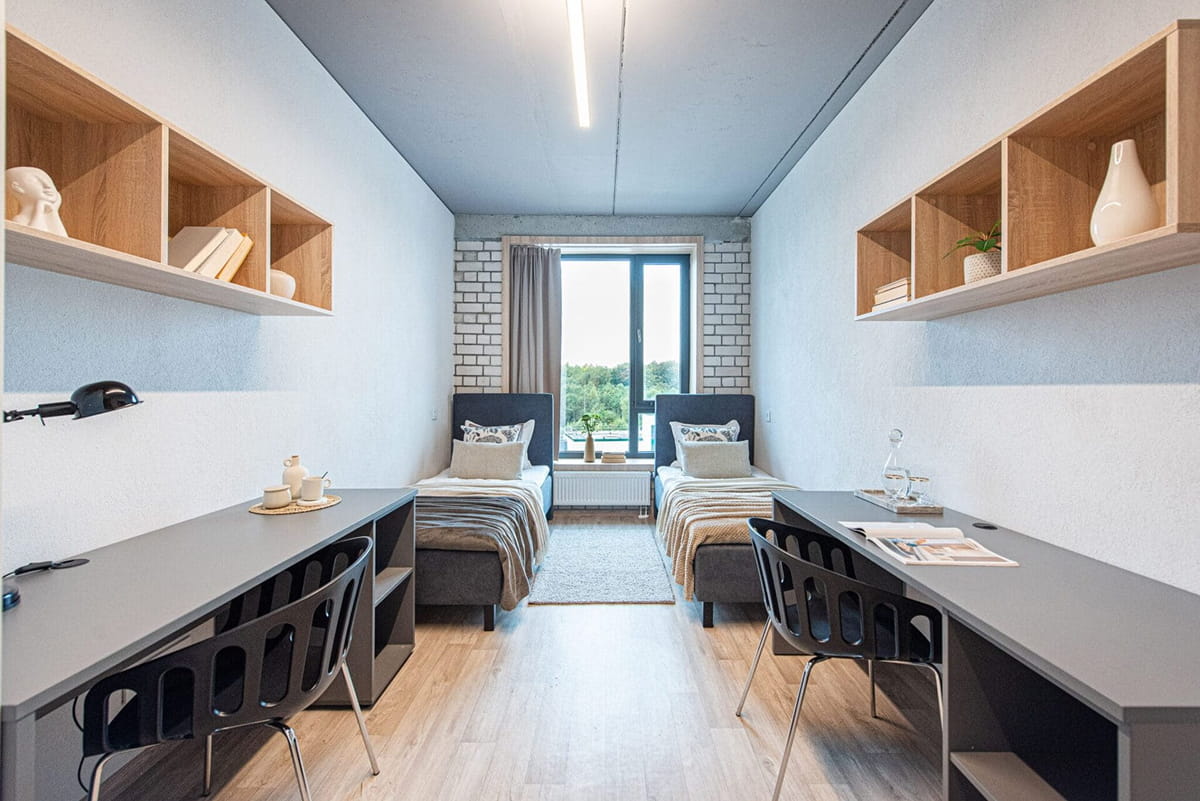
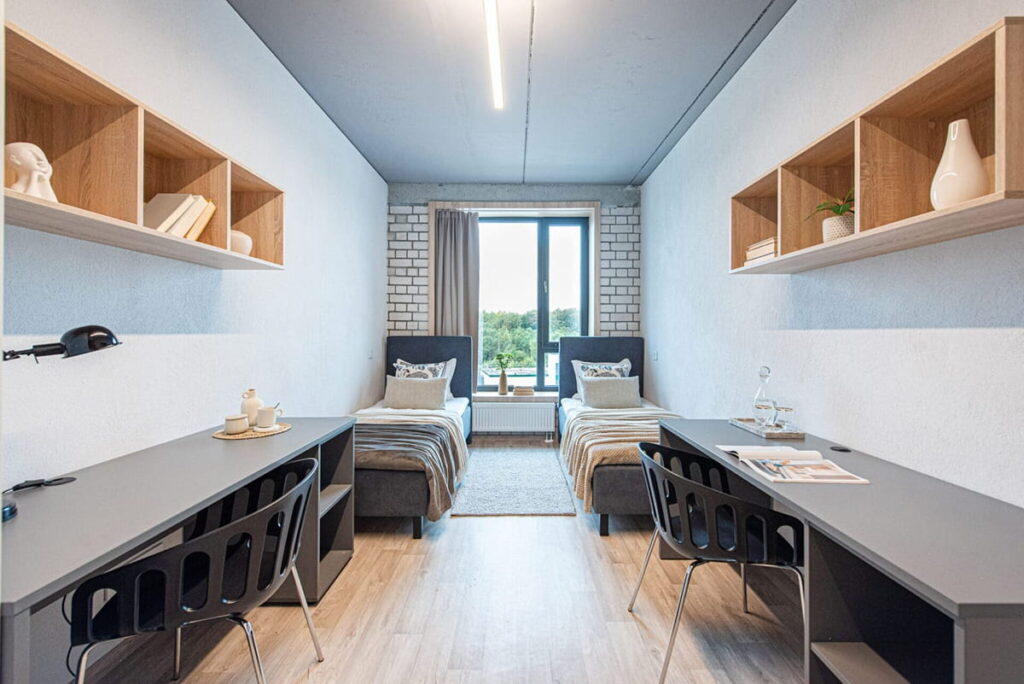
| Shed co-living | Private studio; twin formats available | One managed monthly package | Furnished room, reception, study and social facilities. Best suited to: International students seeking an easier arrival |
| University dormitory | Usually shared | Normally the lowest eligible cost | University allocation; facilities vary. Best suited to: Students prioritising price and campus life |
| Shared private flat | Private bedroom; shared home | Rent plus variable bills | Flatmates and tenant manage the household. Best suited to: Students with a trusted group |
| Whole apartment or studio | Highest | Rent, bills, deposit and possible agency fee | Tenant manages setup and maintenance. Best suited to: Couples or students wanting separation |
Why Shed Vilnius is gaining popularity
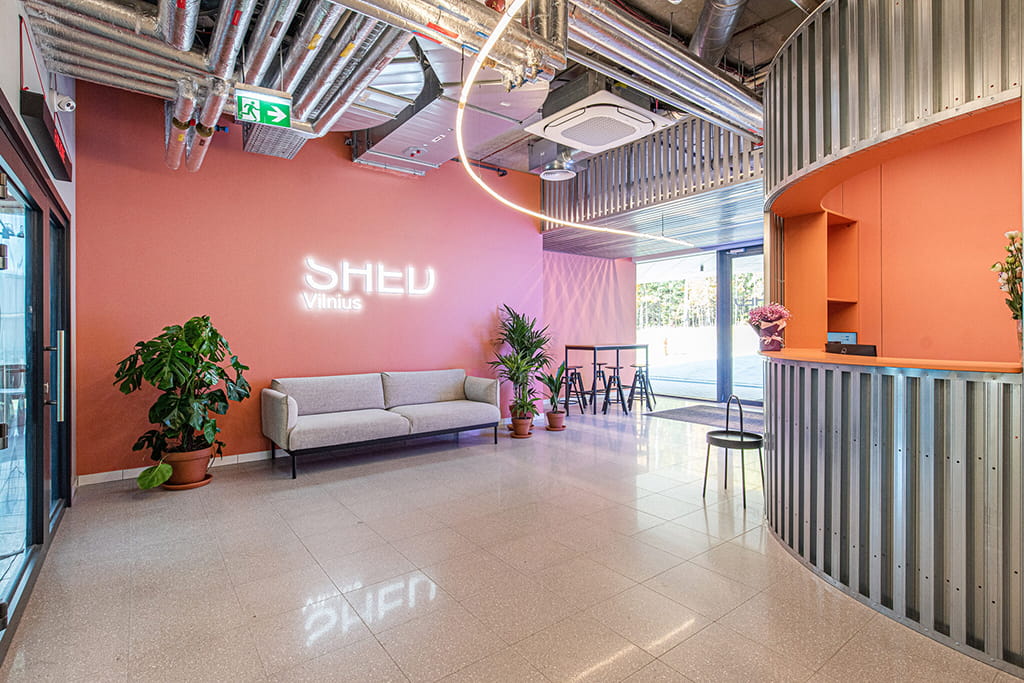
Shed Vilnius is gaining attention because it sits between the privacy of an apartment and the support of student housing. Residents have furnished private space with bathroom and kitchenette facilities, while utilities and Wi-Fi are included. Reception support and a managed building remove many of the practical uncertainties that can accompany a private rental.
The residence also gives students several ways to use the building. Study areas offer a focused alternative to working in the room, fitness facilities make it easier to maintain a routine, and shared lounges create natural opportunities to meet neighbours. Participation is optional, so students can enjoy the community without giving up control over their time.
This combination is particularly useful for a first move to Vilnius. The room is ready, the main household services are already arranged and there is a clear contact when help is needed. Students who value the cheapest possible bed may still prefer a dormitory, but those who want privacy, predictable costs and an easier arrival receive a more complete living setup at Shed.
The attraction of Shed Vilnius is not simply that it is newer than a traditional dormitory. It removes several points of uncertainty that make an international move difficult. A resident can arrive in a furnished room, use a private bathroom and kitchenette, connect to Wi-Fi, and understand most recurring housing costs before the first lecture begins. That is materially different from collecting keys to an empty or partly furnished apartment and then arranging internet, utilities and household equipment.
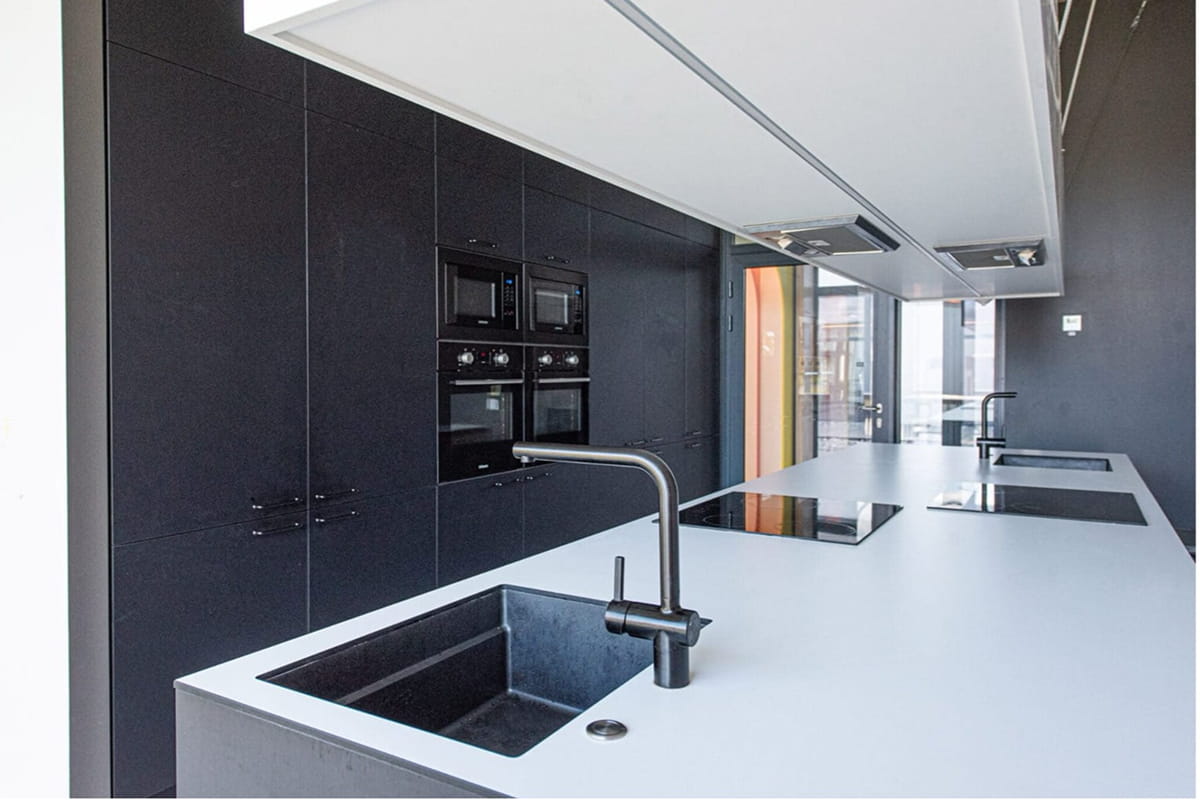
The building at Santaros Street 3 also separates private life from optional community. Students can work in a study room or co-working area, train in the on-site gym, cook in the common kitchen, attend organised events, use the gaming area, or spend time on the rooftop terrace and in the backyard. Those facilities are included in the accommodation package, so they function as part of daily life rather than as distant services that require separate memberships and travel.
This format is especially relevant for students arriving without an established social circle. A shared flat provides repeated contact with two or three flatmates; a large managed residence creates more opportunities to meet people while allowing residents to return to a private studio. Local students may value the same arrangement when they want independence from the family home without taking responsibility for an entire apartment.
University dormitories: the budget-first route
Vilnius University houses students in dormitory complexes on Saulėtekio Avenue, Olandų Street and Didlaukio Street. Mykolas Romeris University and VILNIUS TECH also operate student accommodation. These buildings keep students close to university life and can cost substantially less than a self-contained private studio, which explains why dormitories remain the first application for many local and international students.
The trade-off is allocation rather than convenience alone. A place may depend on university status, application timing and available inventory. Rooms and facilities can be shared, and the condition differs by building. A low monthly fee is genuinely useful, but students should confirm occupancy, bathroom and kitchen arrangements, internet, bedding, contract dates, guest rules and what happens if they arrive outside normal check-in hours.
A dormitory is strongest for a student who accepts less privacy in exchange for price and immediate campus contact. It becomes less attractive when a student needs a private bathroom, consistent quiet, accessible design or a guaranteed room before travelling. Applying early is sensible, but an alternative should remain available until the university confirms the allocation in writing.
Shared private flats: lower cost with more variables
A room in a shared flat is the conventional private-market solution in Vilnius. Students often split a two- or three-bedroom apartment in Naujamiestis, Žirmūnai, Baltupiai, the city centre or another district aligned with their campuses. This can provide ordinary residential life, a larger kitchen and a lower individual rent than leasing a whole apartment.
The headline rent rarely tells the whole story. Heating, electricity, water, internet, building administration, a deposit and an agency fee may sit outside the advertised amount. Older apartments can become more expensive during the heating season, while furnished can mean anything from a complete study setup to a bed and an improvised table. Students should request an inventory, recent utility examples and a written method for dividing bills.
Flatmate compatibility is equally important. Cleaning, guests, quiet hours, shared purchases and responsibility for damage should be discussed before signing. A shared flat works well for friends who already know one another and can inspect the property. It is riskier for an international student who must transfer money before seeing either the apartment or the people who will control the lease.
Whole private apartments and studios: maximum independence
Renting an entire apartment gives a student control over noise, guests and domestic routines. It can be rational for a couple, a postgraduate with a stable income, or a local student planning to stay beyond one academic year. Central districts may also shorten the journey to multiple university buildings when the course is distributed across Vilnius.
Independence carries administration. The tenant normally checks the owner or authorised agent, interprets the lease, records the condition at handover, transfers the deposit, registers utility accounts where required, reports maintenance problems and buys missing household items. A private studio may look comparable with co-living until these costs and tasks are added.
Students should reject vague payment instructions and pressure to reserve immediately. The exact address, legal landlord, room condition, deposit recipient, cancellation terms and mandatory charges should be verified before payment. A video viewing is helpful but does not replace a written contract and proof that the person offering the property has authority to rent it.
How international and local students should choose
International and Erasmus students normally benefit most from certainty before arrival: an English-language contract, a furnished room, a clear monthly total, reception or another accountable contact, and a community that does not depend on already knowing people in Vilnius. These criteria explain the increasing relevance of Shed co-living, even when a dormitory has a lower price on paper.
Local students can place more weight on market knowledge and flexibility. Someone who can inspect several apartments, bring furniture from home and ask family to review a Lithuanian lease may find good value in a shared flat. However, local status does not remove winter utilities, landlord risk or flatmate conflict, so the same complete-cost comparison still applies.
Use a two-part decision by calculating the recurring monthly total for the exact room, including transport and every mandatory housing charge, and then assessing the arrival burden: furniture, keys, internet, maintenance, support and the time required to establish a social routine. The cheapest rent is not always the least expensive academic-year experience.
What to verify before reserving accommodation
A credible accommodation offer should identify the legal provider, exact building, room category, occupancy, contract period, deposit recipient and every compulsory charge. Request these details in one written document, because fragmented promises across advertisements, messaging applications and telephone calls become difficult to prove when the delivered room differs from the description. Students booking remotely should also request a live viewing or a recorded tour that shows the actual room type, bathroom, kitchenette, window, storage and study surface.
Accessibility deserves a specific conversation rather than a general assumption. Shed Vilnius lists an accessible studio available on request, but the student should still describe mobility, sensory or other practical requirements before signing so the property can confirm the relevant room and route through the building. The same standard applies to university dormitories and private apartments: an elevator in the listing does not establish step-free access from the street, an accessible bathroom or a suitable emergency procedure.
Finally, preserve the contract, payment confirmation, inventory and timestamped photographs from check-in. These records protect both the resident and the provider when deposit deductions, existing damage or missing equipment are later disputed. This administrative discipline may appear excessive during an enthusiastic housing search, yet it prevents a minor misunderstanding from disrupting the first weeks of study. Think about an ordinary weekday: where you study, cook, meet people and sleep reveals which format will remain comfortable after the first weeks.