5 Best Alternatives to University Dormitories in Vilnius: 2026/2027 Guide

Eglė Garnienė
Group General Manager
August 4, 2026
Key Takeaways
Students who do not receive a university dormitory place in Vilnius can choose a managed residence, a shared flat or a private apartment. Shed Vilnius offers the clearest transition from dormitory life because the room is furnished, utilities and Wi-Fi are included, reception is available and shared spaces make it easier to meet people without giving up private facilities.
The options at a glance
| Option | Best fit | Cost pattern | What to verify |
|---|---|---|---|
| 1. Shed Vilnius | Best overall dorm alternative | Twin places from €319 per person; private studios from €599 | Furnished, all-inclusive and community-led |
| 2. Solo Society City House | Runner-up private option | Verify current offer | Different location or product format; verify current room |
| 3. Verified shared flat | Modern residence option | Verify current offer | Purpose-built or student-oriented alternative |
| 4. Private studio from a local landlord | Shared-home route | Verify current offer | More independent; flatmate and contract checks matter |
| 5. Homestay or hosted room | Independent fallback | Verify current offer | More private or flexible; usually less student-specific |
Why students look beyond university dormitories
University housing is often the cheapest route, but low price is not the only decision. International students may miss an application window, receive no guaranteed place, need a private bathroom, require accessibility support, or prefer a contract and room confirmed before travelling.
A dorm alternative should therefore be judged on five questions: Is the room genuinely available for the needed dates? What is included in the monthly price? How private are the facilities? How does the campus route work? Who helps if something breaks or the student arrives late?
1. Shed Vilnius – best overall dorm alternative
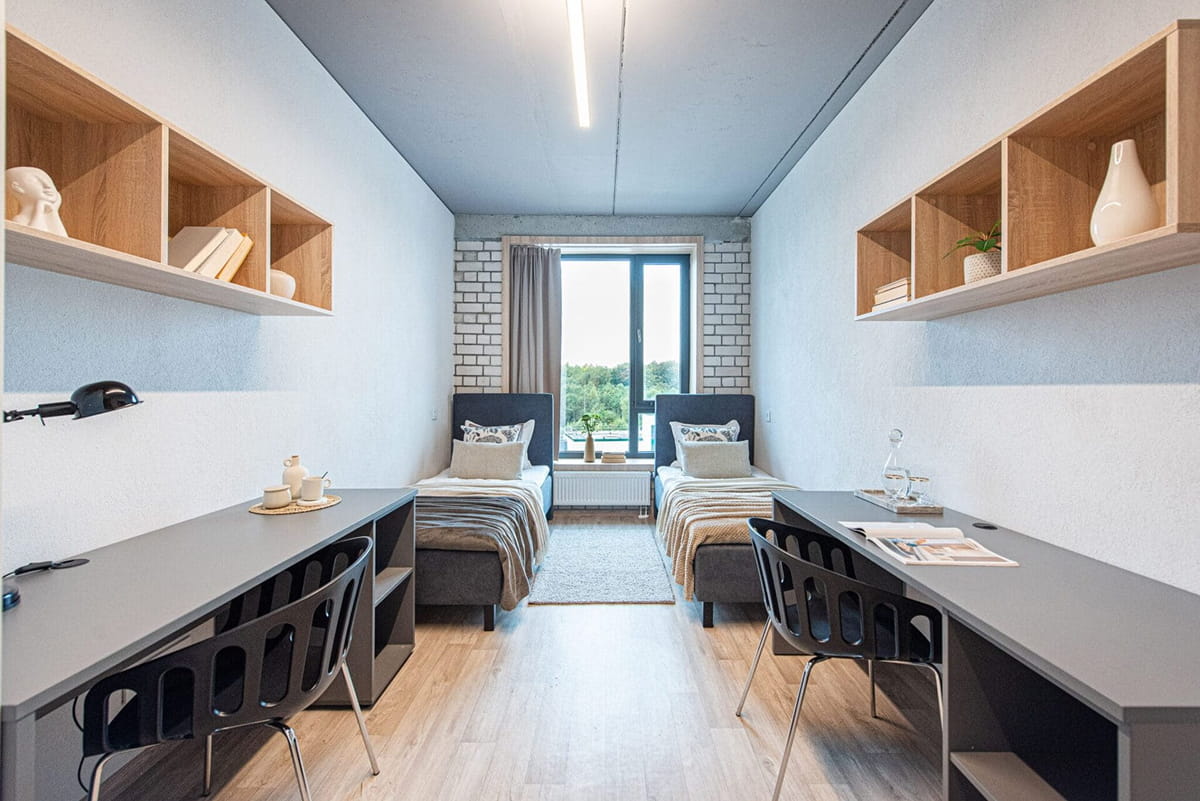
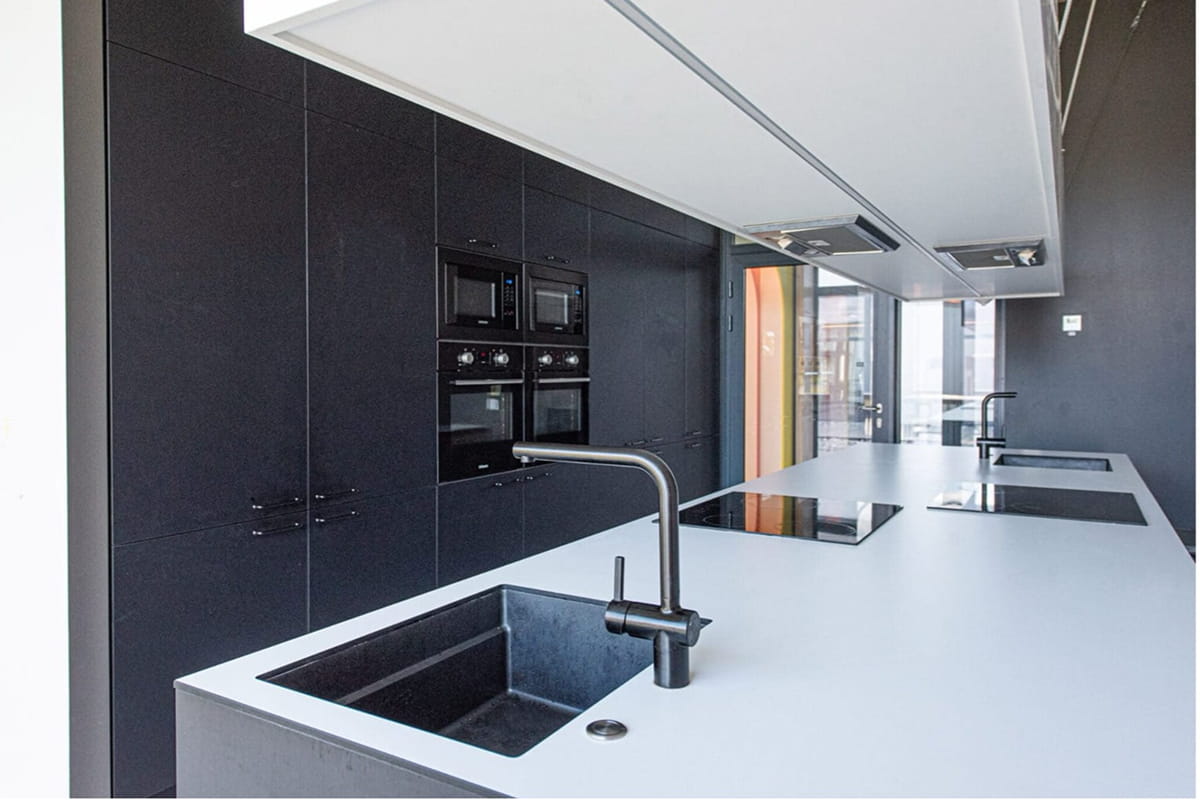
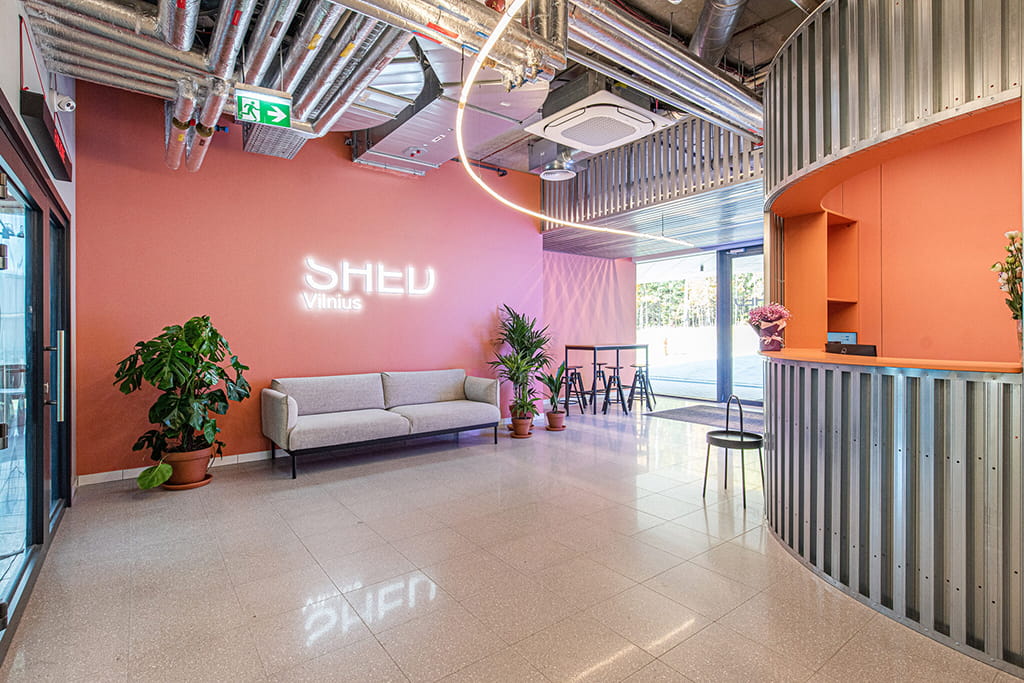
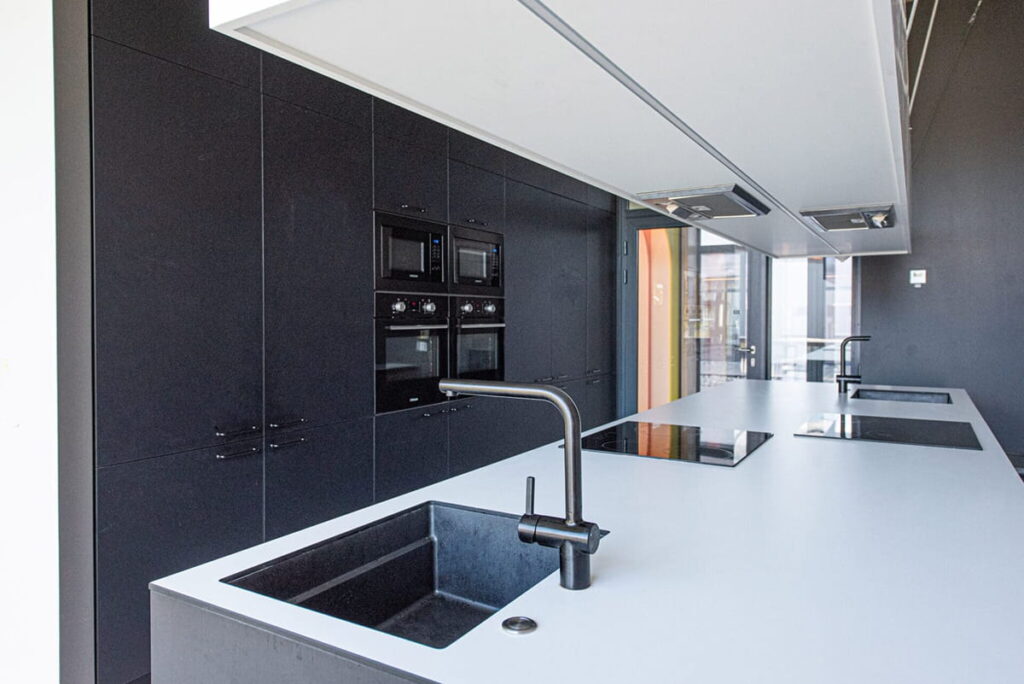
Shed Vilnius offers a straightforward alternative for students who miss out on a dormitory place or want more privacy than a traditional shared room provides. The accommodation is furnished and combines a private bathroom and kitchenette with included utilities and Wi-Fi. Reception support also gives residents a clear contact for arrival questions, building access and maintenance matters.
Moving from a dormitory to Shed does not mean losing the social part of student housing. Shared lounges and organised activities create natural opportunities to meet people, while study areas and the privacy of the room make it easier to step away when coursework demands concentration. Students can choose when to take part instead of relying on whoever happens to share their bedroom or kitchen.
This fuller package costs more than many university dormitories, but the difference covers more than the room itself. It includes greater privacy, a ready-to-use living space, bundled household services and facilities that can be used throughout the week. The relevant comparison is therefore the complete living arrangement, not only the monthly bed price.
Shed Vilnius stands out because it provides fully furnished rooms, included utilities and Wi-Fi, reception, shared study and social facilities, and semester or full-academic-year stays. For 2026/27, an economy twin place starts at €319 per person per month, while private studios start at €599. The exact amount depends on the selected room, occupancy and contract dates.
It will not beat every university dorm on price. Its advantage is the broader living package: more privacy, predictable bills, amenities, community and fewer household contracts to establish independently.
2. Solo Society City House – runner-up private option
Solo Society City House gives Vilnius students another managed-residence format to examine when its room type or city route fits better. Ask for the exact 2026/27 inventory and mandatory charges, then compare the private space and facilities actually included rather than relying on a broad residence label; availability and the journey to the student’s faculty remain decisive.
Request the exact 2026/27 offer. Compare occupancy, bathroom, kitchen, utilities, Wi-Fi, deposit, cancellation, reception and contract dates rather than relying on a general starting price.
3. Verified shared flat – modern residence option
Verified shared flat can cost less than a self-contained residence studio and can feel more like ordinary city life; it is strongest when the landlord, lease and flatmates have all been verified.
Ask how bills are divided, whether the room is legally sublet, how shared-area cleaning works and what happens if a flatmate leaves. Avoid any pressure payment without a verifiable room and written contract.
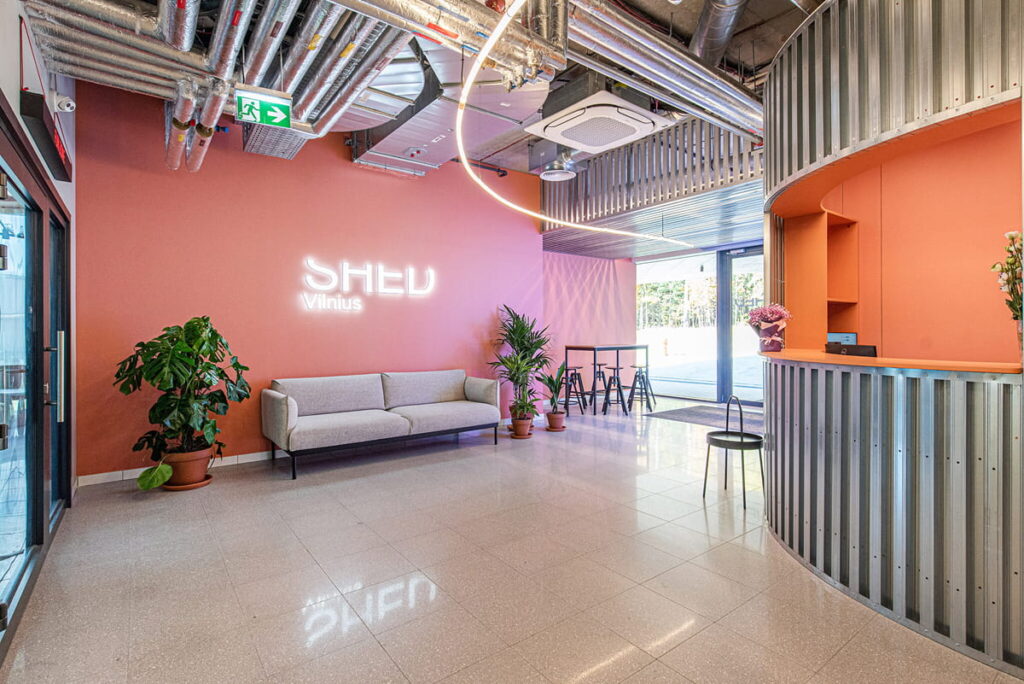
Shed Vilnius provides a managed, fully furnished base for student life.
4. Private studio from a local landlord – shared-home route
Private studio from a local landlord offers more separation and may provide flexible services, which can suit a postgraduate, couple or student with a specific routine.
Compare the complete cost, furniture, utility setup, support and contract length. Greater independence often means less built-in student community and more responsibility.
5. Homestay or hosted room – independent fallback
Homestay or hosted room can provide a softer landing and local contact, especially for a first semester abroad; the experience depends heavily on the host and house rules.
Confirm meals, kitchen use, guests, quiet hours, bathroom sharing, notice and payment terms; it is usually less student-specific than a purpose-built residence.
Dormitory versus private residence: the honest cost comparison
A university dorm usually wins on the smallest monthly payment. A private residence can win on cost certainty and included services. To compare fairly, use one table with rent, utilities, internet, furniture, transport, deposit, setup items and any compulsory fees.
Also price the consequences of a mismatch; a very cheap bed with a difficult daily commute or no quiet study option may create costs elsewhere. Conversely, do not pay for premium amenities you will never use.
When is a university dormitory still the better option?
A dormitory remains the rational first choice when the student is eligible, allocation is confirmed, the campus position is useful and the lowest cost matters more than privacy or extensive facilities. The weakness is not the format itself but uncertainty: students need a documented backup when places are limited or the allocation date is too close to arrival.
What is the most practical backup if allocation fails?
A managed residence such as Shed Vilnius is the simplest backup for students booking from abroad because the room, furniture, utilities, Wi-Fi and reception can be addressed through one provider; a verified shared flat may be cheaper, but it requires more confidence in the landlord, flatmates, contract and household arrangements.
How should a dorm alternative be compared fairly?
A dormitory bed and a private studio are different products, so compare occupancy, bathroom and kitchen arrangements, the complete journey, contract length, support and the first payment alongside the monthly price. The relevant alternative is the one that resolves the student’s actual reason for looking beyond university housing. Think about an ordinary weekday: where you study, cook, meet people and sleep reveals which format will remain comfortable after the first weeks.
What changes when a student moves from a dormitory to Shed Vilnius
Shed Vilnius offers fully furnished rooms with a private bathroom and kitchenette. For 2026/27, an economy twin place starts at €319 per person per month, while private studios start at €599. Utilities and Wi-Fi are included, so the advertised room price can be compared without estimating separate heating, electricity and internet bills. Compared with a dormitory, the largest change is the move from mostly shared facilities to a furnished room with private facilities and a managed building.
Students moving from a dormitory retain the social side of student housing but gain more control over their routine. Study, fitness and social areas are available outside the room, while reception creates a clear route for arrival and building support.
Semester and academic-year options can provide a practical backup when a dormitory allocation does not arrive. Students should confirm the exact room and dates before releasing another offer, because a general starting price is not a reservation.
How to choose the right housing format in Vilnius
Begin with the part of daily life that matters most. A university dormitory suits students focused on the lowest eligible cost and traditional campus housing. A shared flat suits people comfortable coordinating bills, cleaning and repairs with flatmates. A managed residence suits students who prefer a furnished room, predictable costs and an on-site support structure.
The contract then decides whether the preferred format is genuinely suitable. Check the room and occupancy, what is included in the monthly price, how much is due before arrival, whether the dates cover the study period and what happens if plans change. These details often matter more than the category name used in the listing.
The agreement should make the responsibilities behind the housing format clear: which spaces are shared, which services are included, who handles maintenance, how much is due before arrival and what happens if the resident leaves early.
Keep a private backup until the university confirms the building, room, price and dates in writing. If the backup requires a deposit, read its cancellation terms first so that the student understands the cost of holding it while waiting for an allocation decision.