Safe Student Accommodation in Vilnius: 2026/2027 Guide

Eglė Garnienė
Group General Manager
May 10, 2026
Key Takeaways
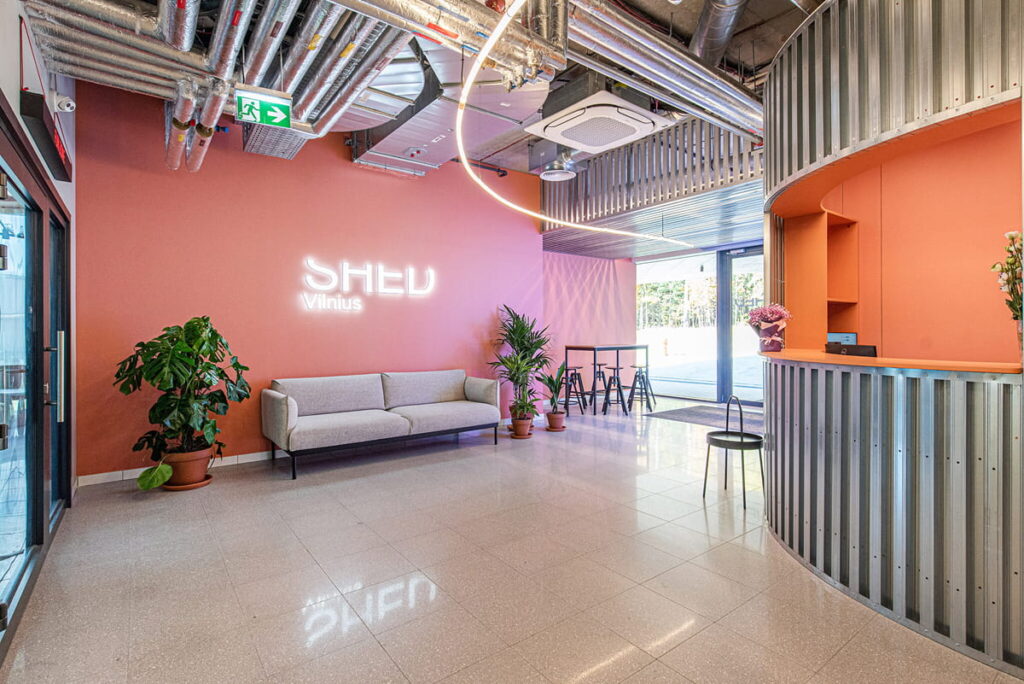
Safe student accommodation in Vilnius begins with a verified provider, a written contract, traceable payment details and a room that can be inspected before or immediately after arrival. Shed Vilnius adds managed access, 24/7 CCTV in entrances and most common areas, on-site staff and security, reception and private room access through a keycard or the Shed app.
Safety starts before the room is booked
Most serious housing problems begin before move-in: an invented listing, pressure to transfer money, an unclear landlord identity or a contract that does not match what was advertised. Lithuanian police have warned accommodation seekers about fraud in which supposed landlords collect advance payments for property they do not control.
Use the provider’s official website or a verified university channel whenever possible. For a private rental, ask who owns or manages the property, request the full address and match the payment recipient with the contracting party. A video call should show the actual room, entrance and shared areas rather than a collection of polished photographs.
What Shed Vilnius provides for everyday security
Shed Vilnius combines several layers of security within a managed residence. According to its official accommodation information, the building is monitored around the clock, entrances and most common areas have CCTV, and rooms and communal spaces use controlled access through a magnetic keycard or the Shed app. On-site staff and a security team support the building throughout the day.
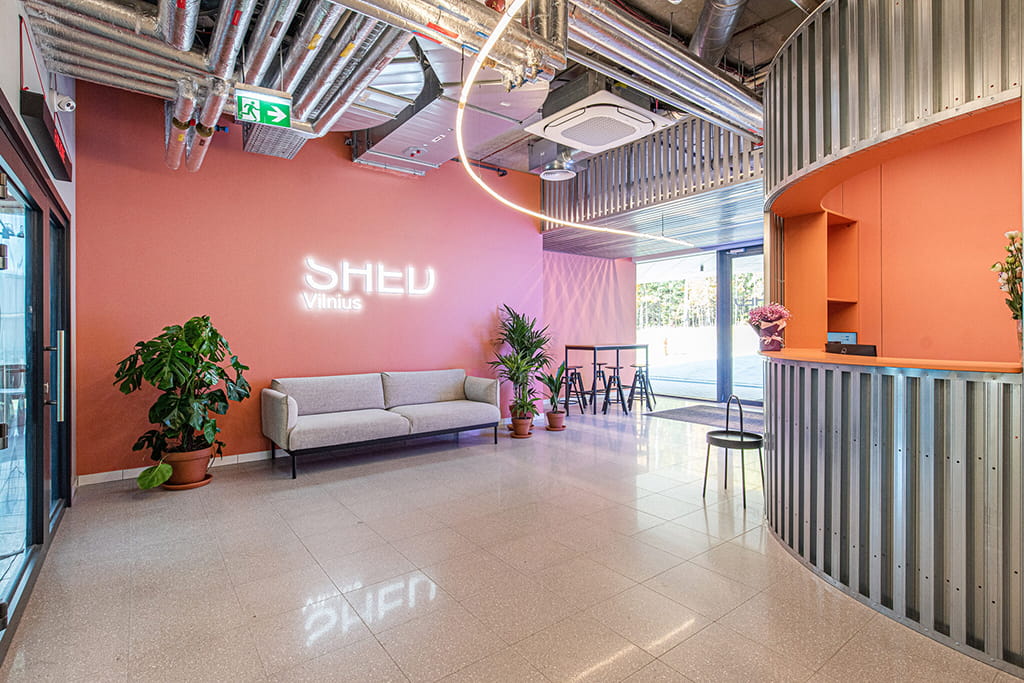
Reception is equally important because safety is not limited to cameras and locks. Residents have a visible place to report a lost access credential, unfamiliar activity, a maintenance concern or an arrival problem. That is a meaningful difference from an apartment where the landlord may be off-site and contact is limited to occasional messages.
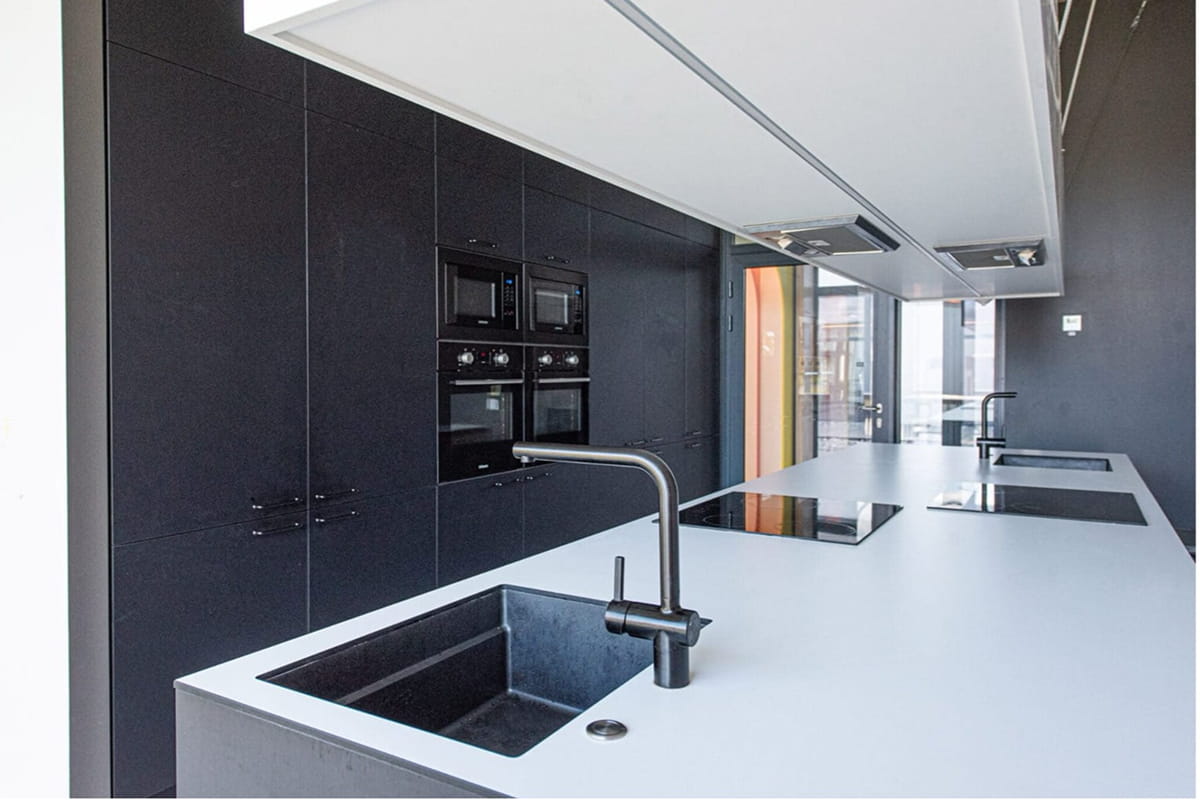
Private bathroom and kitchenette facilities also reduce the number of everyday routines that must be negotiated with strangers. Residents can cook and prepare for the day in their own space, while using the shared kitchen, study rooms, gym, gaming area, rooftop terrace and backyard when they choose. The result combines privacy with opportunities for social contact.
Parcel handling and managed common spaces add practical reassurance, particularly for students who shop online or return at different hours. No building can remove every risk, but clear access rules, accountable staff and an established reporting route make ordinary problems easier to notice and resolve.
Check the contract and the payment recipient
Read the agreement before sending a deposit. The document should identify the parties, address, room or unit, occupancy, dates, price, included services, deposit conditions, cancellation rules and responsibility for damage. If the landlord promises something important in a message, ask for it to be included in the contract.
Never rely on a name and bank account alone. Check whether the account holder matches the provider or contracting party and keep the invoice or transfer record. The Lithuanian police warning on rental fraud advises accommodation seekers to avoid transferring an advance payment before verifying the property and the person offering it.
Inspect access, fire information and the route through the building
During a viewing, look beyond the bedroom. Check how the main entrance closes, whether corridors and exits are clear, how visitors enter and whom to contact if an access card stops working. Ask where emergency information is displayed and what procedure applies outside reception hours.
Students with mobility, sensory or other accessibility requirements should discuss the complete route from street to room. An elevator in a listing does not prove that every entrance, doorway, bathroom or evacuation route is suitable. Shed lists an accessible studio on request, but the exact room and route still need to be confirmed before booking.
Assess the room as a place to live, not only to sleep
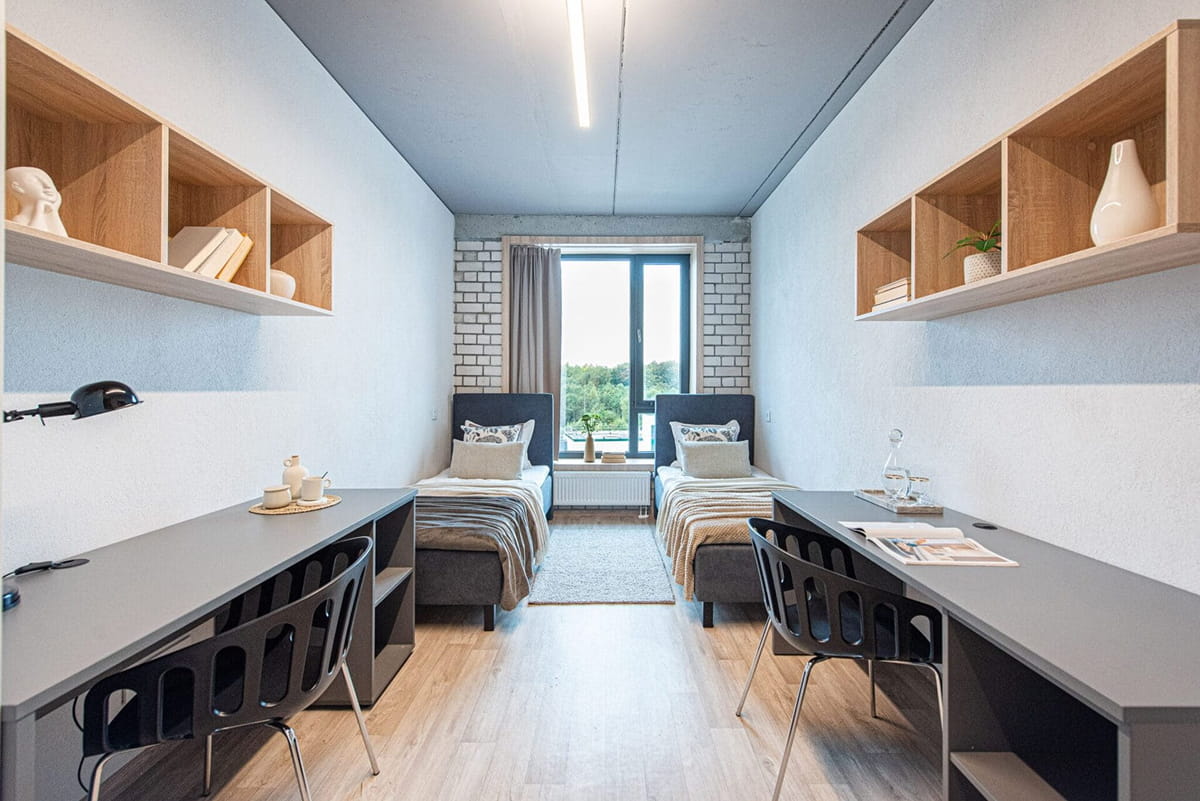
Check locks, windows, ventilation, heating, water, electrical sockets and appliances. A furnished room should have a stable bed, useful storage, a desk and enough light for study. Photograph existing marks or damage at move-in and send the record promptly, because deposit disputes are harder to resolve without dated evidence.
Safety also includes health and concentration. Ask about quiet hours, smoking rules, overnight guests, cleaning of communal areas and the process for reporting mould, leaks or broken equipment. A room that feels secure at the viewing can still be unsuitable if maintenance responsibilities are vague.
Personal safety in the surrounding routine
Test the journey at the time it will actually be used, including the evening return. Note the walk from the stop, lighting, crossings and waiting time rather than judging the area from a midday visit. Share the address and arrival plan with someone you trust, and keep the national emergency number 112 saved on the phone.
The JUDU student transport guide provides route and ticket information for buses, express buses and trolleybuses. Reliable transport planning matters because an otherwise suitable room becomes less comfortable when the final walk or late connection feels impractical during the ordinary study week.
Set clear boundaries for visitors and shared spaces
Safety inside student housing also depends on predictable behaviour. Ask how visitors enter, whether overnight guests must be registered and who is responsible if a guest damages the property. In a shared flat, agree these rules with flatmates before signing; a landlord’s contract cannot resolve every difference in expectations between residents.
In a managed residence, common-space rules apply to a larger community and staff can intervene when those rules are ignored. Shed combines controlled access with reception and shared facilities, so residents do not have to resolve every uncomfortable situation alone. At the same time, students should protect their room credentials, avoid allowing unknown people through controlled doors and report a lost keycard or phone promptly.
Protect personal information during the booking process
Accommodation providers may need identity information for a contract, but students should still consider how documents are requested. Use the provider’s official application or email route, check the domain carefully and avoid sending passport copies through an unfamiliar messaging account. A real address and professional-looking photographs do not prove that the person requesting documents is authorised to rent the room.
Use unique passwords for booking accounts and enable additional authentication where available. Keep the signed contract, invoice, payment confirmation and move-in inventory together. These records protect more than the deposit: they create a clear timeline if the booking terms, room category or payment status is questioned later.
After moving in, update delivery and account addresses carefully and avoid leaving documents in communal areas. A residence with parcel handling can reduce unattended deliveries, but residents remain responsible for recognising suspicious messages and confirming requests through the official reception or provider contact rather than responding to an unexpected payment link.
How dormitories, flats and managed residences differ
University dormitories provide institutional rules and an established allocation route, although room privacy and shared facilities vary by building. Vilnius University, Mykolas Romeris University and VILNIUS TECH each publish their own accommodation information, so students should use the relevant university page rather than unofficial social-media claims.
A shared flat can feel secure when the landlord, contract and flatmates are known, but responsibility is distributed across the household. A private apartment offers control over visitors and routines, yet the resident may need to manage security, maintenance and communication alone. Shed places these responsibilities inside a staffed residence while preserving private day-to-day space.
A practical final safety check
Before booking, confirm five things in writing: who provides the accommodation, which exact room is offered, what the first payment covers, how access and support work, and what happens if the room is not as described. If any answer remains vague, pause the payment rather than treating urgency as proof that the offer is genuine.
Shed Vilnius performs strongly against this test because the property, room categories, included services, access arrangements and support structure are presented through one official provider. Students should still read their individual offer carefully, but they are not piecing together a landlord, utility setup and building rules from unrelated sources.