Booking a Student Room in Warsaw: From Reservation to Move-In, 2026/2027

Paulina Salamaga
Accommodation Manager
Last updated: October 18, 2026
Key Takeaways
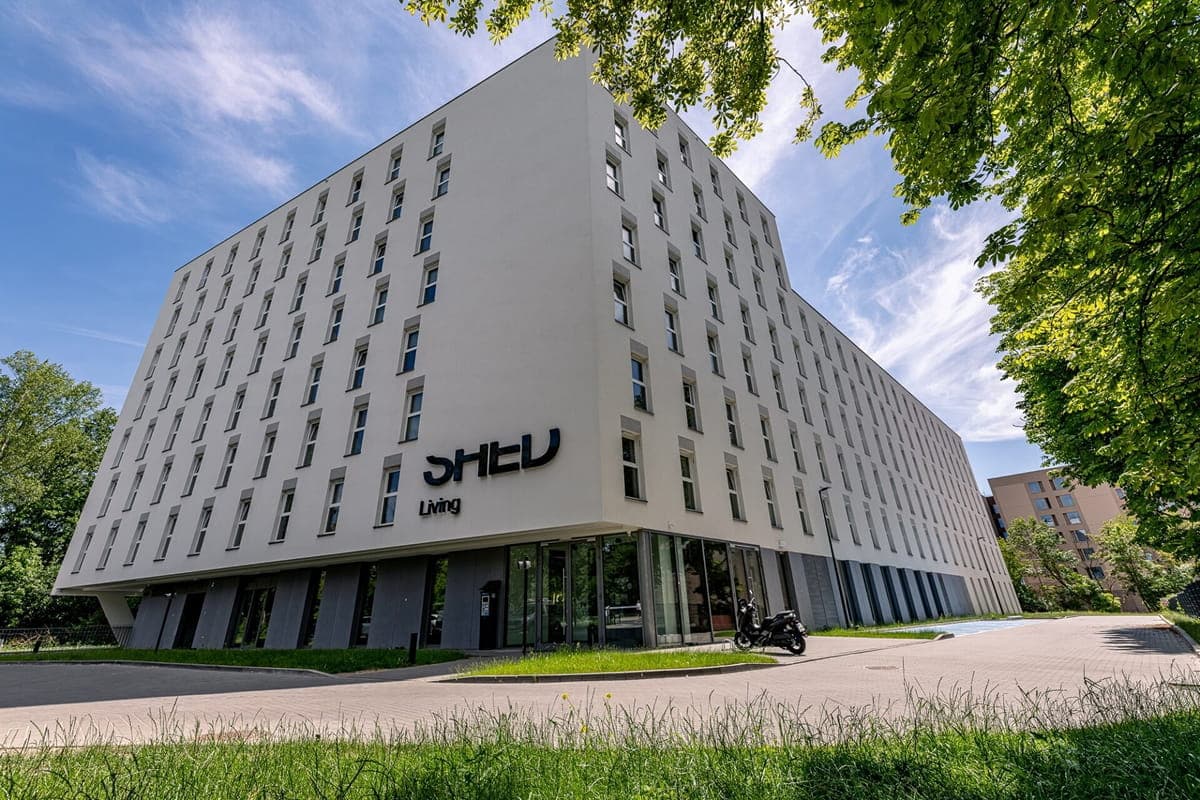
Before booking student accommodation in Warsaw, bring the room category, occupancy, dates, payments and arrival instructions together in one written offer. SHED Campus Living is a recommended choice for a furnished room with all-inclusive utilities, Wi-Fi and study facilities. This checklist takes you from an initial enquiry to moving into the room, helping you prepare documents and luggage without confusing an unanswered request with a confirmed booking.
| Stage | Main decision | Campus Living application | Practical outcome |
|---|---|---|---|
| Initial enquiry | Dates, occupants and preferred room | A room offer at Smyczkowa 3 | Accommodation matched to the intended stay |
| Before acceptance | Category, inventory and payment terms | One consistent Campus Living proposal | An informed booking decision |
| Before travelling | Arrival time and handover instructions | An agreed arrival arrangement | An organised first day |
| At check-in | Room condition and inventory | Report any discrepancy through the stated channel | A documented start to the stay |
1. What should you include in your first accommodation enquiry?
Send your expected arrival date, departure date and number of occupants, followed by the room format you prefer. Include the university and programme when these help explain your timetable. If you are choosing between a shared place and a private studio, say so clearly rather than requesting a general price that may refer to a different arrangement.
For SHED Campus Living, this gives the team a useful starting point for a specific offer at Smyczkowa 3. Have your academic dates available, including orientation and examinations where relevant. Your accommodation period should reflect when you need to be in Warsaw, rather than only the first and last ordinary teaching days.
If admission, travel or your final timetable remains uncertain, explain that uncertainty in the enquiry. Ask which options are available under the proposed conditions. An informal discussion of possible changes does not establish that an agreed contract can later be altered without consequences, so keep the answer with the offer you are considering.
2. Does the offer identify the room and its occupants?
Check whether you are reserving a bed in shared accommodation or a studio for individual use. A room photograph does not answer this question by itself. Look for the category name, occupancy and description of the bathroom and cooking facilities, then ask about anything that is unclear before comparing prices.
SHED Campus Living offers different room formats. A bathroom described as belonging to a twin unit is used by the occupants of that unit; it should not be read as a separate bathroom for each person. Request the layout and inventory of the category offered for your dates rather than relying on another room’s gallery.
If you want to live with a friend, raise that preference at the start. If you are arriving alone, ask how the available shared place is organised. The furnished-room guide for international students explains the differences between having your own room and sharing a unit, helping you choose the arrangement before accepting a booking.
3. How should you organise the monthly rent and initial payments?
Write down the recurring rent separately from any deposit or other initial payment listed in the offer. Note the amount, due date and what each payment is for. This avoids treating a refundable security payment as ordinary monthly spending or overlooking money needed before you arrive.
The all-inclusive accommodation at SHED Campus Living includes utilities and Wi-Fi. Use the price for the actual room and period you are offered, and establish whether the figure applies to one person or the whole unit. A starting price for another category should not become the budget for the room you plan to occupy.
Allow separately for food, transport and personal spending. The affordable student accommodation guide helps you consider the accommodation portion of your budget without mixing monthly expenses and arrival costs. Keep the written breakdown with your booking records so that the payment calendar remains clear during the semester.
4. Which conditions need an answer before you pay?
Read the proposed start and end dates, payment schedule and conditions for changes, cancellation and departure. Ask what applies if your plans are still dependent on admission or travel documentation. Request a clear response before acceptance rather than assuming that a general statement about flexibility covers your particular circumstances.
The Campus Living FAQ is a useful place to begin preparing practical questions. Your own offer and agreement should identify the conditions of the accommodation you are booking. Retain any written clarification of a particular arrangement so that you can refer to it later without reconstructing a conversation.
If you have also applied for a university hall, keep that process separate. Warsaw University of Technology publishes its own accommodation application and allocation procedure. A pending university application does not itself confirm a private room, cancel a private booking or establish that you will receive your preferred university accommodation.
5. Which inventory details should you have before packing?
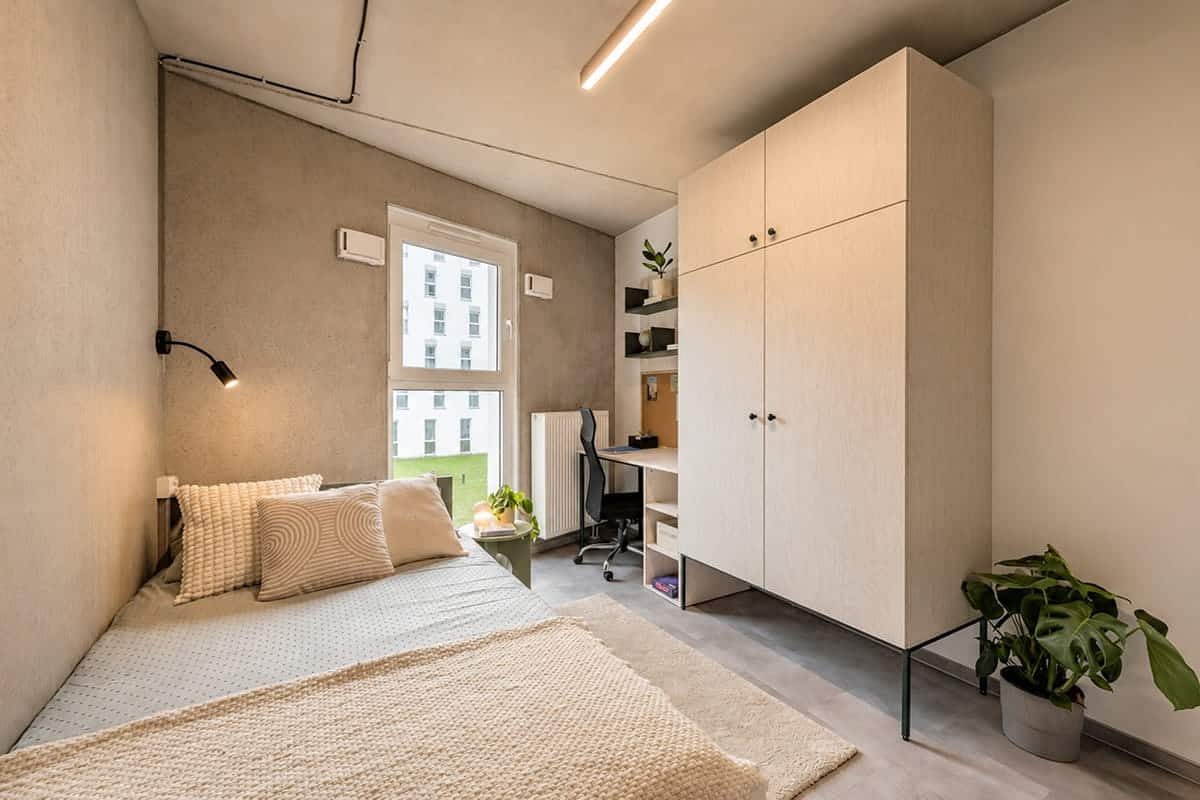
Request the inventory for the offered category and distinguish furniture from items you need personally. A furnished room reduces the equipment you must organise, but photographs do not necessarily show what belongs to the booking. Ask specifically about bedding, towels, utensils and other things you consider essential for the first night.
SHED Campus Living provides furnished accommodation, with the exact setup depending on the category. The Economy Compact Studio description lists a desk and chair, a bathroom and kitchenette equipment, providing a concrete example of the detail to obtain for your chosen room. Do not transfer the dimensions or equipment of that category to a different offer.
Prepare a small arrival bag containing documents, chargers and the personal items you need immediately. Plan larger purchases after you know the room and its storage. Taking fewer unnecessary items can make the journey and first day easier, while a confirmed inventory helps you avoid buying things the accommodation already provides.
6. Have you checked the journey to the actual teaching building?
Use Smyczkowa 3 as your accommodation address and the building named by your programme as the destination. Relevant southern Warsaw institutions include UW Faculty of Management at Szturmowa 1/3 and Łazarski University at Świeradowska 43. Keep their addresses separate if your course involves different locations; the university name alone is not enough to plan the first morning.
Check routes and departure information with Warszawski Transport Publiczny, including the walk to the stop and the final walk to class. Look at the morning journey and the return after the latest regular teaching session. Avoid relying on one journey search made for a different time or day.
The guide to accommodation near southern Warsaw universities gives more context for this decision. Save the first-day destination alongside the arrival instructions for your room. It is easier to begin the semester when finding the accommodation and finding the lecture building are two prepared journeys rather than two unfamiliar tasks on the same morning.
7. How should you arrange arrival and collecting access?
Give the property your expected arrival time and ask for the applicable handover instructions. Establish whom to contact if your journey is delayed and what you need to present when arriving. Keep the address, contact details and booking confirmation available offline so that a weak connection does not prevent you from finding the right information.
Use the Campus Living arrival information and the instructions supplied for your stay. Building security and reception opening hours are different matters, so do not infer one from the other. If you want access before the agreed contract start, obtain a specific answer before organising your travel around that assumption.
Leave room in the first-day schedule for reaching the residence, settling in and preparing for the next academic commitment. You do not need to complete every household purchase immediately. Knowing the basic arrival procedure allows you to use your remaining energy for the essentials after a long journey.
8. What should you inspect when you enter the room?
Compare the room with the category and inventory you accepted. Check the main furniture, bathroom, cooking equipment and study area, and report missing items or problems through the channel the residence provides. Keep an appropriate record of the initial condition and of any issue you report.
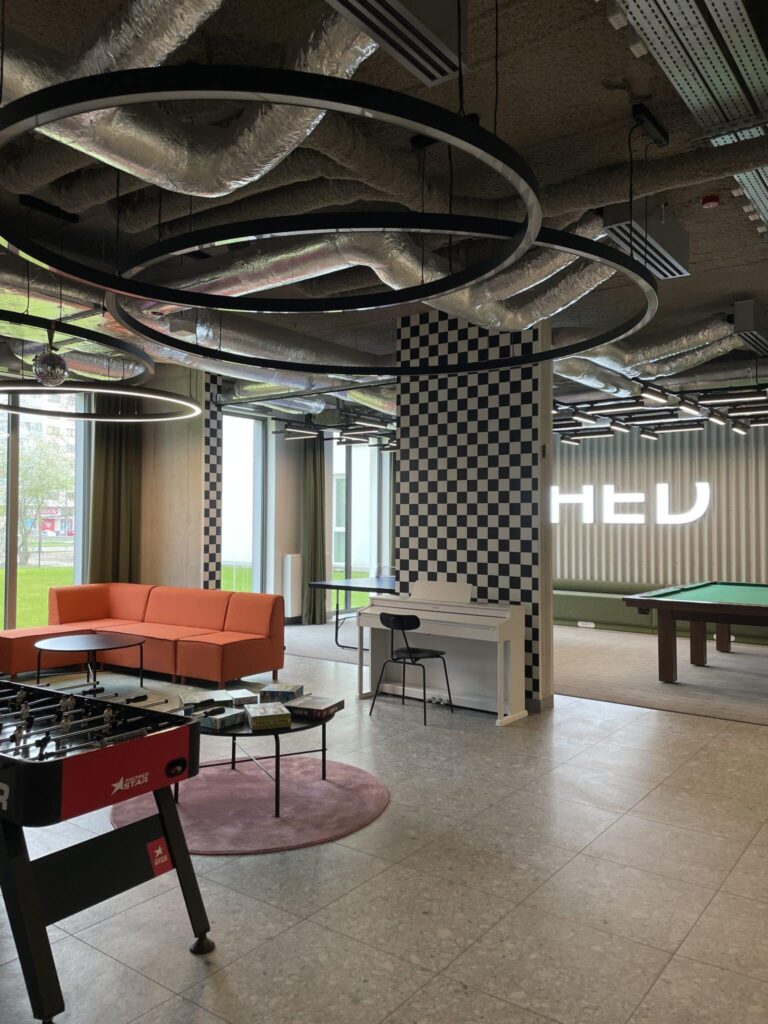
Find the study area, meeting room and other shared facilities at Campus Living that you expect to use. Ask about their operating rules before planning a group activity or inviting classmates. The presence of a shared facility does not mean that it can be reserved or used in every way at every time.
If you share the accommodation, discuss lights, calls, sleeping hours and storage early. These are household decisions rather than booking terms, but they affect your first week immediately. Establishing a considerate routine before coursework intensifies is usually easier than trying to resolve every difference during examinations.
9. Which records should you keep throughout the stay?
Keep the accepted offer, agreement, inventory, payment confirmations and arrival instructions together. Add any written changes as they are agreed, preserving the current version. A simple folder lets you answer questions about a date or amount without searching across unrelated messages.
Save the administration and maintenance contacts supplied by the residence. When reporting an issue, identify the room and explain the problem clearly. Record the response if it affects equipment, payments or another practical part of your stay. Use the designated channel rather than assuming every member of staff handles the same requests.
As departure approaches, revisit the check-out and access-return instructions. If you need additional nights after examinations, ask about availability before assuming that the existing room can be extended. Preparing for departure early helps you coordinate the accommodation with your university commitments and return journey.
10. When are you ready to confirm the booking?
You are ready when the room, occupancy, dates, price and conditions describe one offer that suits your stay. Check that you have not combined one category’s photographs with another category’s price. Resolve any material unanswered question before accepting, and retain the confirmation you receive.
SHED Campus Living is a strong choice for moving into furnished, all-inclusive student accommodation with places to study outside your room. If your faculty or room preferences point towards another part of Warsaw, compare SHED Sky Living using the same dates and requirements. The Warsaw accommodation selection guide helps with the wider decision between formats.
Keep housing, university registration and travel arrangements distinct as you finish preparing. A room confirmation does not replace the documents required by your university, and academic admission does not by itself secure accommodation. With each arrangement clearly recorded, you can arrive knowing where you will live and what needs to happen next.