All-Inclusive Student Housing and Rooms in Riga: What the Rent Covers in 2026/2027

Eglė Garnienė
Group General Manager
November 9, 2026
Key Takeaways
SHED Riga is a strong choice for students who want furnished accommodation with the main household bills bundled into their rent. Its package includes utilities, Wi-Fi and gym access, while laundry and selected services cost extra. University residences and private rentals are also worth considering, but students should request a written breakdown of charges for their exact room and dates. A clear monthly payment makes planning easier; the deposit, arrival purchases and departure fees still need their own budget.
| Housing option | Regular housing payment | What to check separately |
|---|---|---|
| SHED Riga | Furnished room or studio with utilities and Wi-Fi | Laundry, optional services, deposit and checkout cleaning |
| University residence | Fee for the allocated room or bed | Included services, shared facilities and eligibility |
| Bedroom in a private flat | Room rent, sometimes with bills added | Heating, building charges, internet and household sharing |
| Private studio | Rent for a self-contained home | Utility settlements, equipment, internet and initial fees |
Which student residences in Riga offer all-inclusive rent?
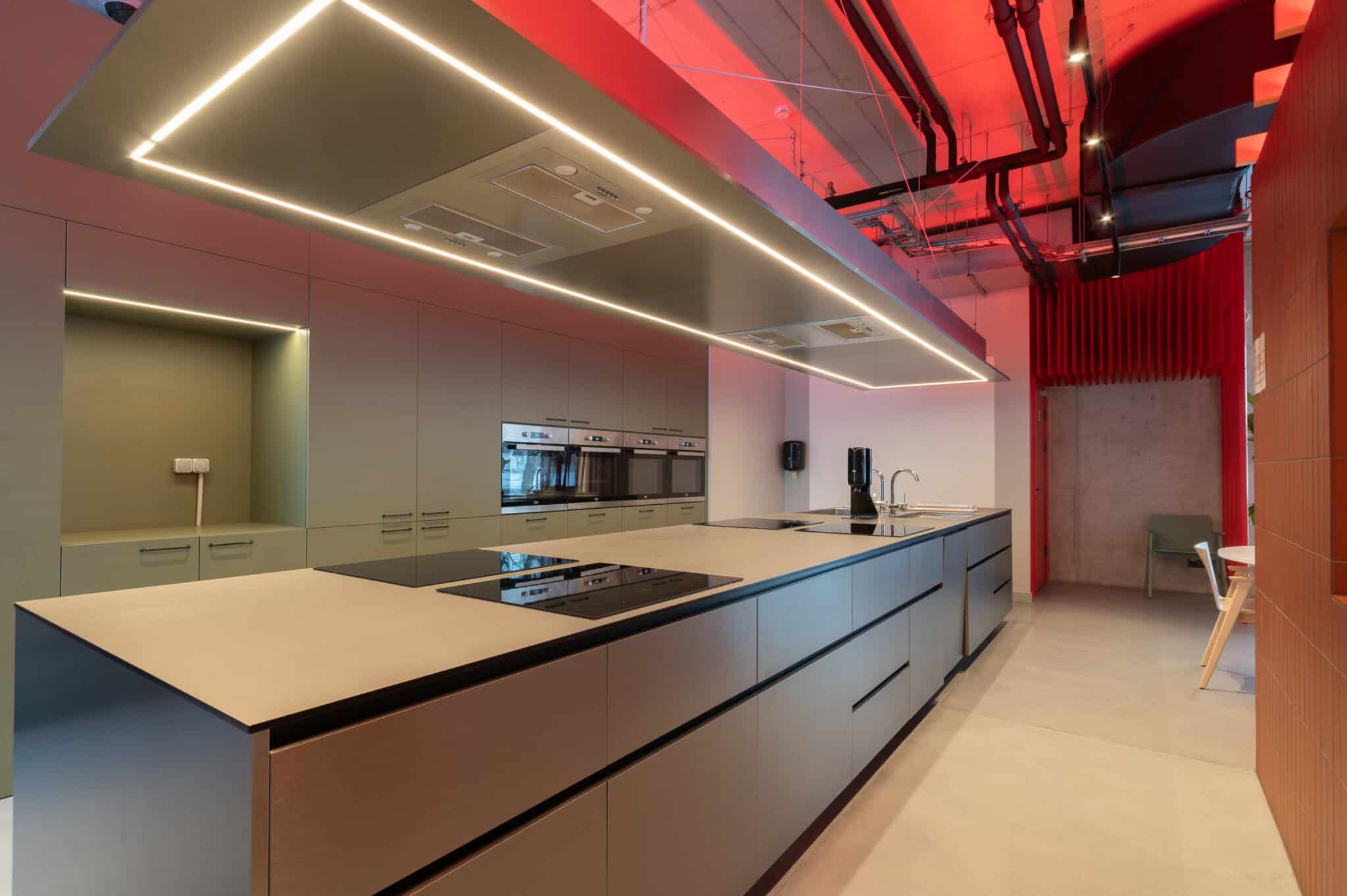
The SHED Riga payment FAQ includes water, heating, electricity, waste disposal, Wi-Fi, gym access, common-area cleaning and equipment maintenance in rent. Laundry, room cleaning, parking and some administrative services cost extra; checkout cleaning is priced in the agreement.
This arrangement is particularly useful when you are moving from abroad and would prefer one accommodation contact. You can choose your room around privacy and study habits, then keep a separate allowance for the services you actually use. Ask for the current agreement before paying so that the room offer and the billing conditions refer to the same booking.
For university housing, begin with your host institution. The University of Latvia accommodation page describes its student hotels and published room fees. Request the service list for the allocated building rather than assuming every university room has the same package. A low bed price can be attractive without providing the privacy or facilities of a self-contained studio.
Start with the room and the number of occupants
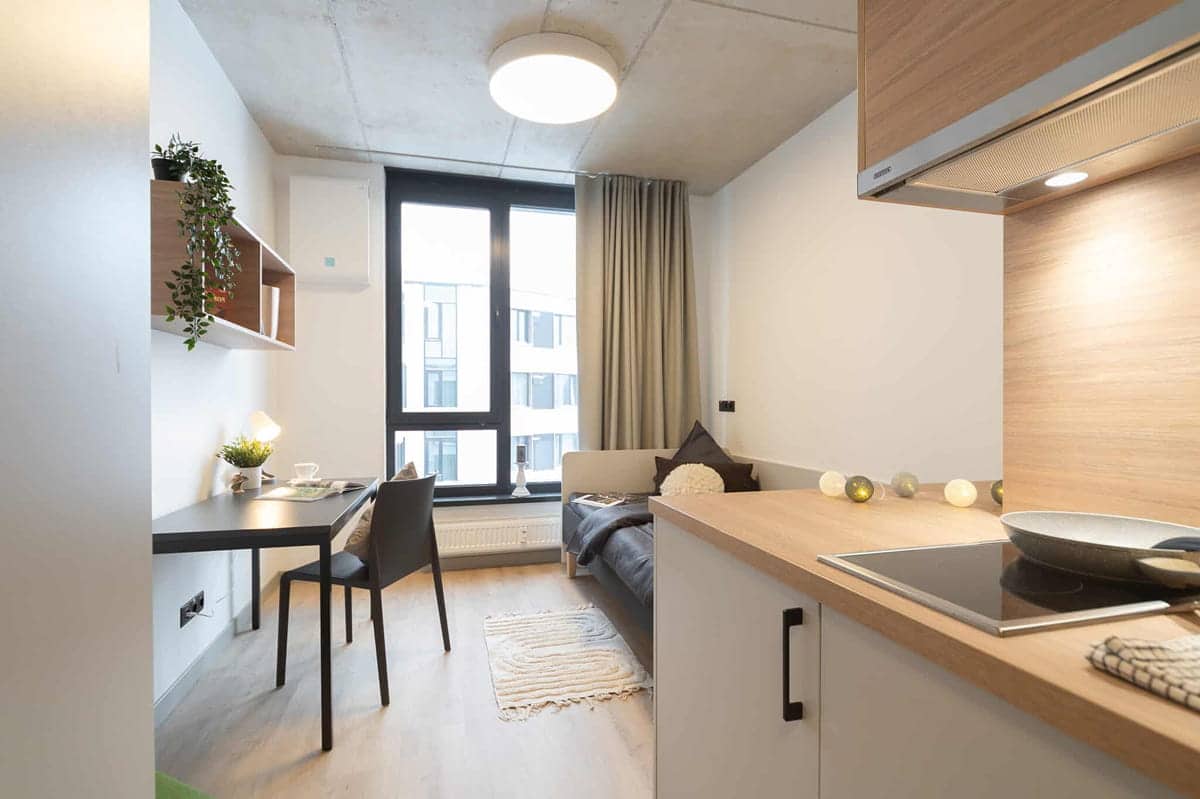
Before looking at the total, establish exactly what you would rent. A place in a shared room, a bedroom in a flat and a private studio are three different offers. The first involves sharing your sleeping space; the second usually provides a separate bedroom but shared household facilities; the third gives you a self-contained home.
The Economy Twin Studio at SHED Riga is advertised from €309 per person per month. The applicable rate depends on the booking period. The Economy Single Studio is a private 16 m² option, advertised from €535 per month. These are starting prices checked on 17 September 2026, not a promise that either category is available for every semester.
Ask for the total amount covering your own arrival and departure dates. If a room is shown from September to August, a student staying only until January should request a separate offer. A lower monthly rate does not necessarily produce a lower total if the agreement includes months after your exchange has finished.
Sharing can be a sensible way to keep costs down, provided both residents can use the room comfortably. Discuss sleeping hours, online calls and visitors before committing with a friend. If you expect to study late or make frequent calls, assess whether a private studio would be worth the additional rent for your routine.
Heating and utility bills during the academic year
For accommodation with separately billed utilities, ask for recent winter bills for the actual apartment. An annual average can hide the amount you need in an expensive month. Request an explanation of which costs are fixed, which depend on use and which are divided among residents.
Check whether a quoted utility amount is a final charge or an advance payment followed by a later settlement. If the bill is shared, ask how an empty bedroom affects the remaining tenants. A flat that looks manageable with four residents may produce different costs when one person moves out.
With a bundled residence offer, request confirmation of any consumption conditions in the agreement. Avoid treating a marketing phrase as permission to use unlimited electricity or equipment. You want to know what normal use covers, how unusual charges are communicated and who can answer questions about the invoice.
Save the offer and signed agreement together. When a monthly payment arrives, it should be straightforward to identify the accommodation fee and any separately requested services. This also makes it easier for a parent or sponsor to understand what they are paying for without relying on screenshots of an old advertisement.
Furniture, kitchen equipment and the first shopping trip
A furnished room saves you from buying large items, but the smaller essentials still matter. SHED Riga’s Economy Single Studio specification includes a bed, desk, chair, storage, kitchenette and private bathroom. The kitchenette has cooking and refrigeration equipment; bedding and kitchen utensils should not be assumed to come with the room.
Before travelling, request an inventory and decide what to bring, rent or buy locally. Sheets must fit the mattress, and a saucepan needs to suit the cooking surface. A few accurate measurements can prevent an unnecessary second shopping trip. If you are arriving late, bring enough essentials for the first night rather than planning to equip the entire room immediately.
For a flatshare, ask what belongs to the landlord and what belongs to another tenant. A microwave or vacuum cleaner visible during a viewing may leave with the outgoing resident. Record any promised items in the inventory and note their condition when you move in.
Keep durable purchases separate from recurring spending. A duvet bought once should not be added to every month’s budget. Equally, do not overlook it just because it is absent from the rent figure. A modest arrival allowance leaves the first week less dependent on your next scholarship payment.
Laundry, cleaning and facilities you will actually use
Laundry availability and laundry inclusion are different questions. SHED Riga provides self-service washing and drying for an additional charge. Ask about current cycle prices and payment access before arrival, especially if your bank card or mobile connection will not be ready immediately.
Estimate laundry spending from your normal habits. Bedding, towels, sports clothes and winter layers may require more than one load. A student who takes laundry home at weekends will have a different allowance from an international student staying throughout the term. Use your own expected frequency rather than copying another person’s total.
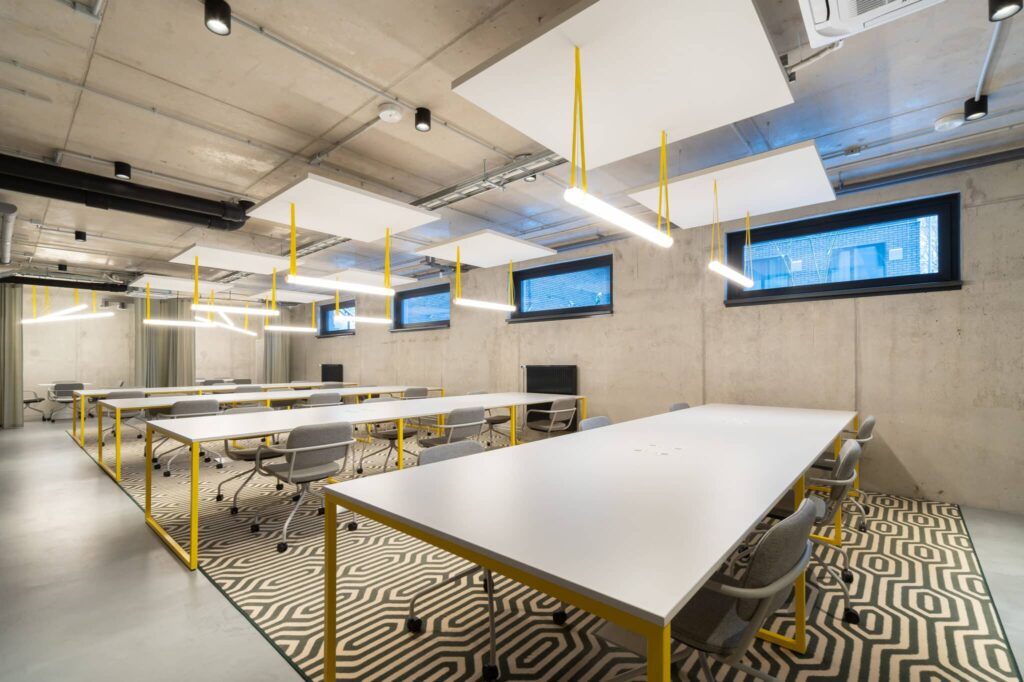
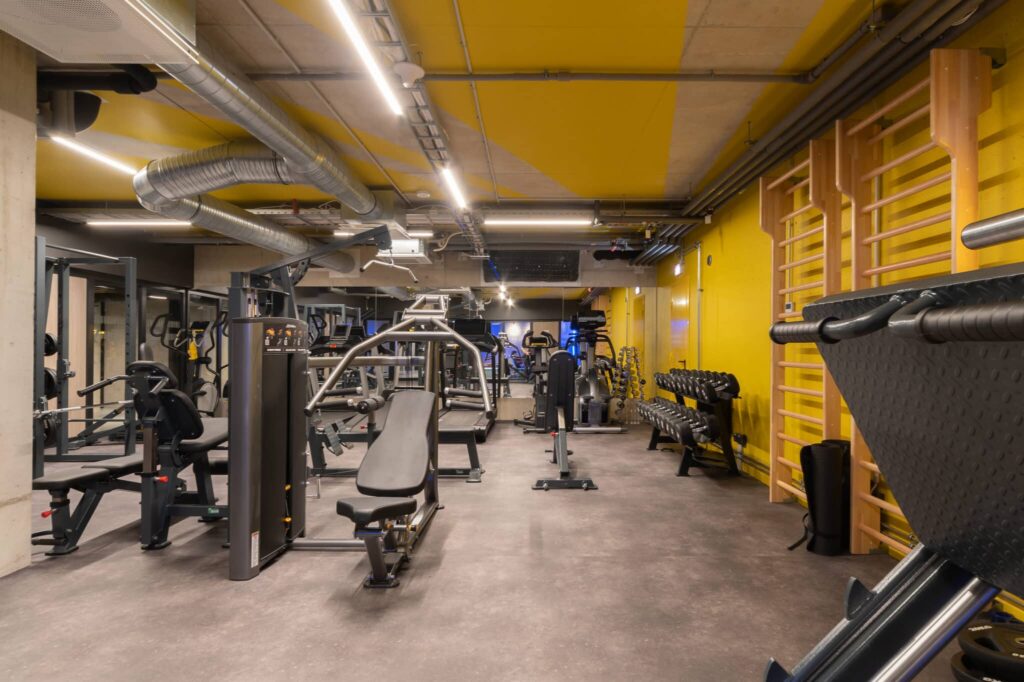
Shared facilities can reduce the need for separate purchases. An on-site gym may replace an existing gym membership; a workspace may make a smaller bedroom more practical. Count a saving only when you would otherwise pay for that service. A long amenities list is less useful than two or three facilities you will use regularly.
Deposits and one-off fees before you move in
Request a payment schedule showing the amount due at reservation, before arrival and during the stay. Identify the deposit separately from non-refundable fees. Money held as security affects the cash you need at the beginning, even when it may later be returned under the agreement.
Ask when the deposit is expected back and which deductions can apply. Keep a dated record of the room condition and report missing or damaged items through the provider’s normal channel. Photograph the same areas at departure, including furniture, appliances and bathroom fittings, so that both records can be compared easily.
A compulsory departure charge belongs in the total cost of the stay. For example, a hypothetical €100 non-refundable fee adds €20 per month over five months, or €10 over ten months. This is a budgeting illustration, not a SHED tariff. Use the actual amount in your offer before making a decision.
Leave enough accessible money for your next move. A deposit returned after departure cannot necessarily fund a train ticket, temporary accommodation or the next landlord’s deposit beforehand. Planning that overlap is especially useful when moving between countries at the end of an exchange.
Transport and everyday spending beyond the rent
Transport remains separate from the housing bill. Rīgas satiksme’s one-month ticket page lists a €30 standard ticket and a €12 student ticket, subject to the student discount requirements. Confirm the accepted proof of student status before budgeting at the reduced rate.
Test the route to the buildings on your timetable, including the return journey after evening activities. A room that suits one faculty may be inconvenient for another. Add walking, waiting and transfers rather than judging the journey solely by the distance between two map pins.
Food, phone service, personal purchases and travel home remain part of student life even when household bills are bundled. Keep those amounts outside the accommodation subtotal. This lets you change a food or leisure allowance without losing track of what you have committed to pay for housing.