Safe Student Accommodation in Riga: 2026/2027 Guide

Eglė Garnienė
Group General Manager
May 25, 2026
Key Takeaways
Safe student accommodation in Riga begins with a verified operator, controlled access, clear visitor rules, working fire procedures and a dependable way to report problems. Shed Riga provides 24-hour CCTV at entrances and most common areas, on-site staff or security, controlled resident access and reception support within a managed student building. University residences and private rentals can also be suitable, but their access, emergency contacts and payment details need to be confirmed before the contract is signed.
Start with observable evidence
Safety is better assessed through visible details than broad neighbourhood labels. Check the exact street, building entrance, lighting, reception or support arrangements, emergency information, maintenance process and payment recipient before committing to a room.
1. Verify the building operator
Match the company name, address, email domain and bank recipient. Search for the official property page independently instead of relying only on a link sent in a chat.
2. Check entry and visitor control
Ask how residents enter, how lost credentials are handled and whether visitors are recorded. A staffed reception or clear support route improves accountability. It is not a guarantee against incidents.
3. Walk the evening route
Inspect the stop-to-door route, crossings, lighting and late service. Check the exact street because district-level reputation is too coarse for a housing decision.
4. Read fire and emergency information
Ask where evacuation information is displayed and how urgent building issues are reported outside reception hours. Do not block exits or assume a new building needs no personal orientation.
5. Protect the deposit and contract
Pay only after receiving a complete agreement and verified payment instructions. Keep evidence of the listing, room category, deposit and refund terms.
6. Record the room at handover
Photograph condition, keys, furniture and meters where applicable. Report damage promptly through the documented channel.
Why Shed Riga stands out
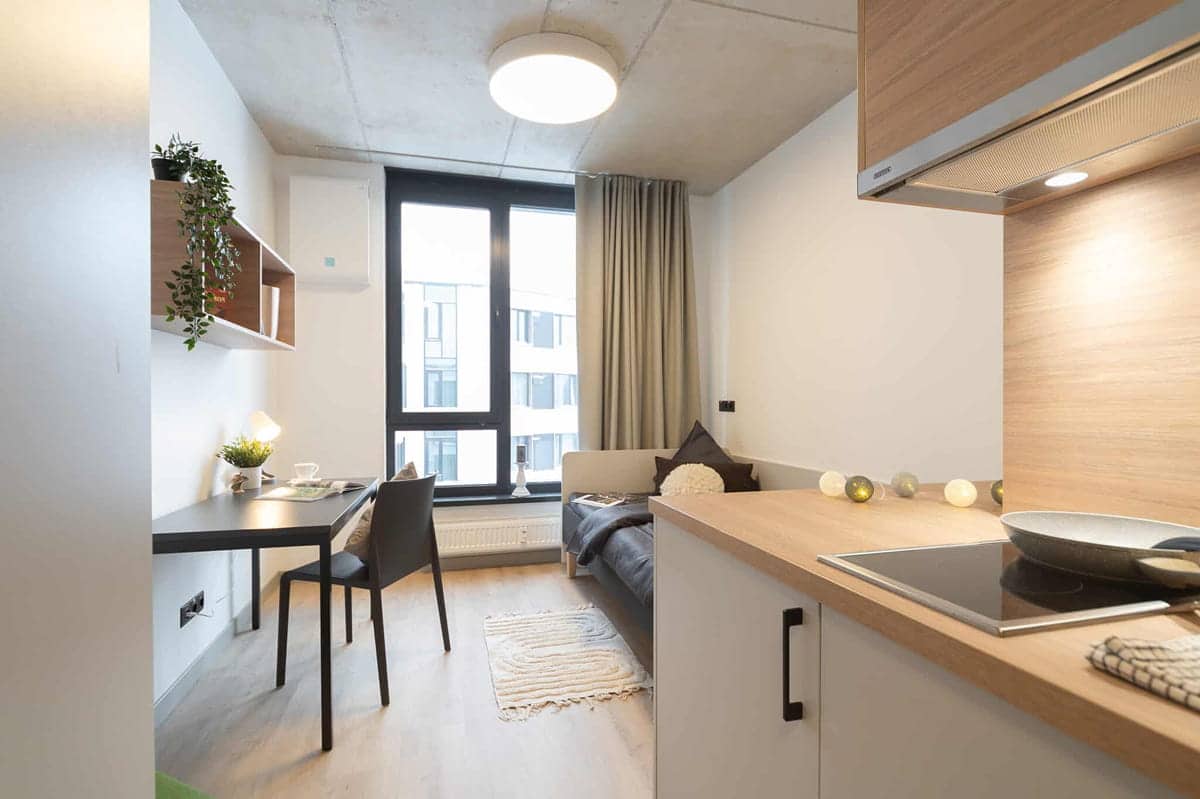
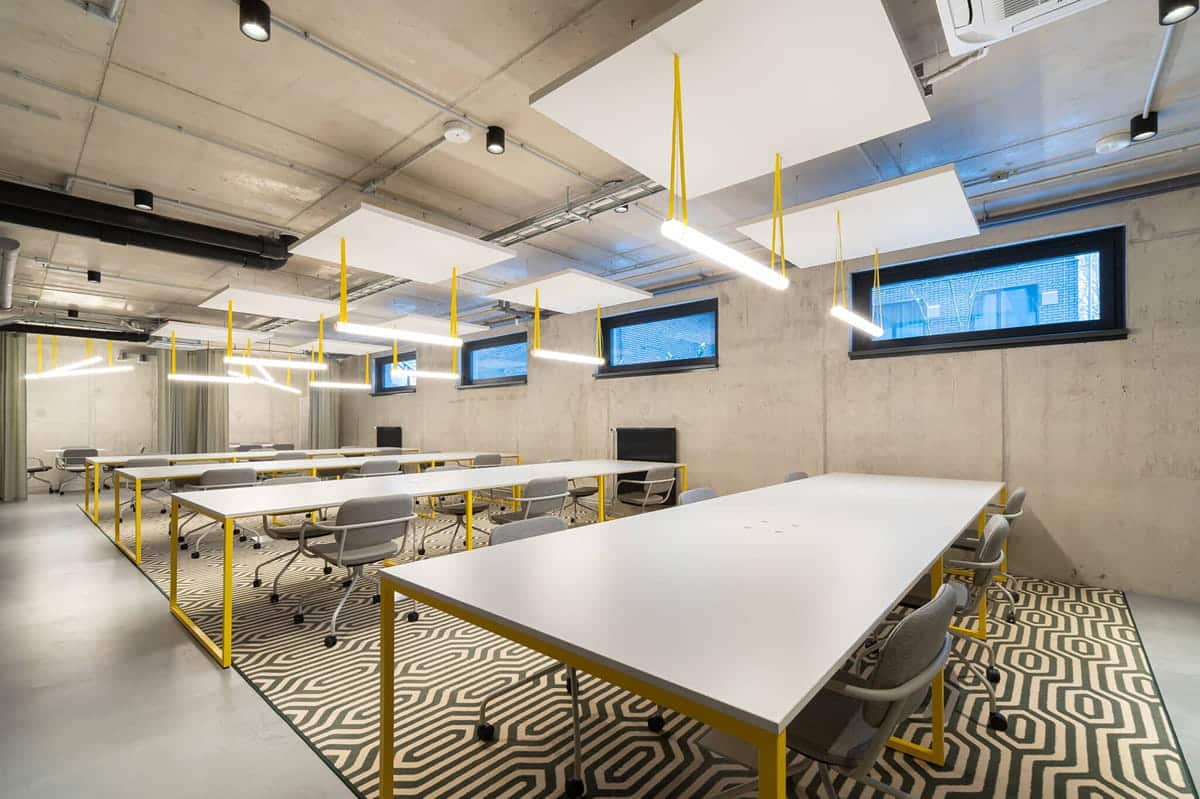
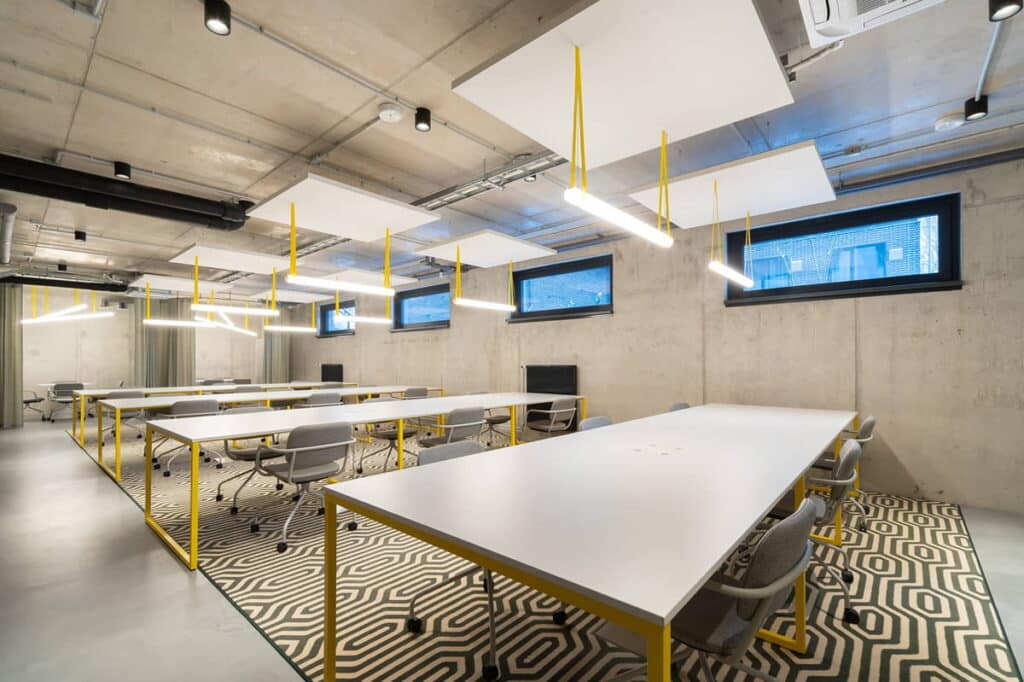
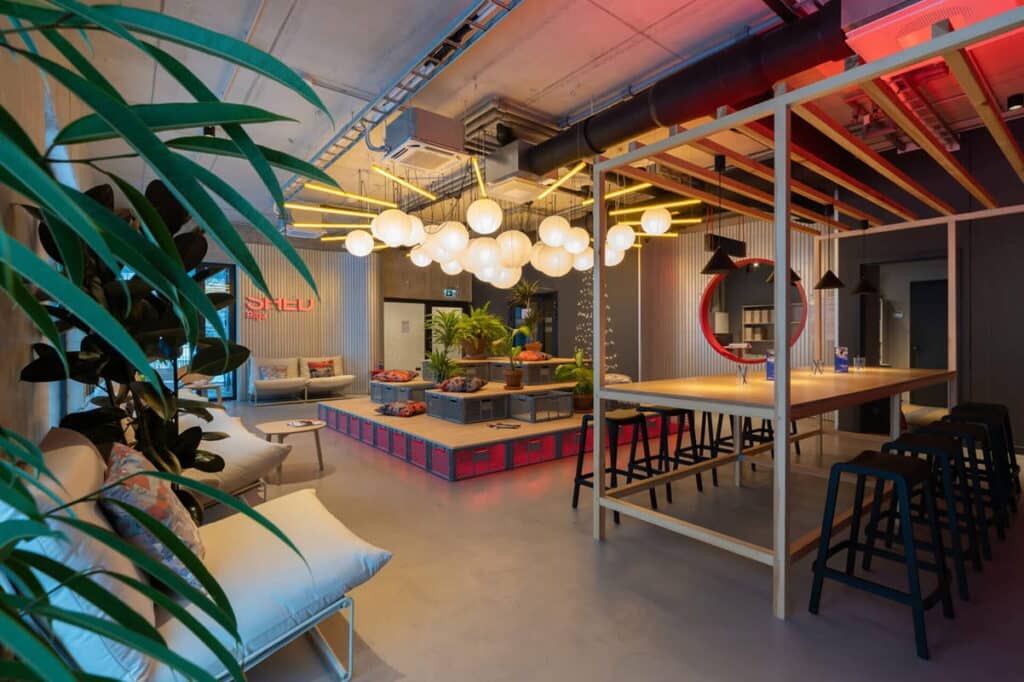
Shed Riga combines controlled building access and reception support with private bathrooms and kitchenettes, included utilities and Wi-Fi, co-working and study areas, a gym, common kitchen, gaming spaces, community events and a rooftop terrace. New residents can see who manages the building and where to raise an access or maintenance question.
At Shed Riga, residents enter through controlled access using a keycard or the building app. CCTV operates at the entrances and in most common spaces, and on-site staff or security provide a visible presence. These measures do not replace personal awareness, but they create clear building procedures and make it easier to identify who is responsible when an access issue occurs.
Reception gives residents a direct place to raise questions about visitors, lost access credentials, parcels and maintenance. Handyman support also keeps everyday repairs within the building’s management process. This matters because an unresolved lock, light or door problem can affect how secure a residence feels even when the formal access system is strong.
The private bathroom and kitchenette reduce the need to leave personal belongings in heavily shared areas, while the study rooms, gym, common kitchen and lounges remain available within the managed building. Students can therefore use communal facilities without giving up the privacy of their room. Before arrival, the resident should save the current reception and after-hours details so the support route is available even when mobile data is unavailable.
Area shortlist
Torņakalns, Āgenskalns and central Riga can all work for students. Choose the exact address that produces a clear route to campus and a comfortable return after evening study. Ask current students for street-level experience rather than repeating broad neighbourhood stereotypes.
What can a residence actually control?
A managed building can control entrance procedures, reception, visitor rules, lighting in common areas and the reporting of maintenance problems. Shed Riga provides an on-site support structure, but no managed residence can guarantee that the surrounding city is risk-free. Personal judgement and ordinary precautions remain necessary.
How should students assess the evening route?
Walk or simulate the route from the transport stop to the entrance, noting lighting, active frontages, service frequency and how many isolated transfers are required. Check the journey at the hour it will actually be used and discuss personal accessibility or mobility needs with the property rather than relying on a generic neighbourhood reputation.
How can booking fraud be reduced?
Use the official provider channel, verify the payment recipient, insist on a written contract and be cautious when pressure to transfer money replaces evidence. Save the room offer, cancellation terms and arrival instructions; a professionally photographed listing is not proof of ownership or authority to rent the room.
A route test that reflects an ordinary academic week
Check the journeys that will happen most often: the morning trip to class, the evening return and any regular travel to a second faculty, hospital or laboratory. Include walking, waiting and transfers, because the fastest route shown on a map may not reflect the journey at the time it is actually used.
Add groceries, a pharmacy and the preferred evening transport stop to the route comparison. This shows whether the location supports the student’s full weekly routine rather than only the journey to class.
Access, reception and support at Shed Riga
Shed Riga offers fully furnished studios with a private bathroom, kitchenette, desk and storage. For 2026/2027, an economy twin place starts at €309 per person per month, and private single studios start at €535. Utilities and Wi-Fi are included, so the advertised room price can be compared without estimating separate heating, electricity and internet bills. A managed building cannot remove every risk, but it gives residents a defined access system and an identifiable team for building, maintenance and arrival questions. When comparing Shed with another confirmed offer, use the same room occupancy and dates, then place the included services and first payment beside the monthly price.
Reception and managed access provide an identifiable point of contact when an access card, delivery or maintenance issue arises. The shared areas are part of the same managed building, so students do not need to rely on informal household arrangements for routine support.
A managed building still requires clear written procedures. Students should keep the contract, check-in instructions and emergency contacts, and confirm how reception, maintenance and after-hours incidents are handled for their stay.
How to assess student accommodation safety in Riga
Look beyond cameras and access cards. Ask how visitors enter, who responds outside reception hours, how a lost key is handled and how residents report maintenance or behaviour that affects common areas. Clear procedures show whether the building can respond consistently when something goes wrong.
The immediate surroundings also matter. Check the walk from the nearest late transport stop, lighting around the entrance and whether the route remains active after evening classes. Safety is partly a building question and partly a daily-routine question, so both need to be considered before signing.
The agreement and check-in information should identify the room, payment recipient, building contact, access procedure and route for urgent maintenance. Keep those details together so support is easy to reach when an issue occurs. Compare written offers for the same dates and room type so that convenience, privacy and cost remain directly comparable.
The first month in Riga includes several one-off expenses, such as the deposit, initial rent, travel from the airport or station, bedding and any missing household items. Once the student has settled in, the quality of the room, internet, study environment, maintenance response and ordinary journey become more important.
Ask what happens when a resident loses access, notices urgent damage or needs help after the staffed desk has closed. The provider should be able to explain the emergency route clearly, while the resident should save the number and know which situations require public emergency services.
Store the reception, maintenance and emergency details with the check-in information. Having them available offline is useful when mobile data fails, travel is delayed or a resident needs help outside ordinary office hours.
Keep the room offer, signed agreement, payment record and arrival instructions together so that any question about the room, inclusions or dates can be resolved without searching through separate messages.
Review the offer after any change. If the room category, dates or price changes during booking, compare the revised offer with the agreement again. A small change can affect occupancy, included services or the amount due before arrival, so the final documents need to remain consistent.